Handbags Are the Fastest-Growing Thing in Luxury, and the Resale Market Explains Why
Leather goods are forecast to outgrow clothing by roughly two to one over the next two years, and the secondhand market is expanding three times faster than the first-hand one.
In The Devil Wears Prada, Nate asks why a woman needs more than one bag. You have one, you put your junk in it, and that is it. His friend Doug does the work of answering him: an accessory is a piece of iconography, a way of expressing an identity, and fashion has never been only about utility.
Doug was also, without knowing it, describing a market. Luxury leather goods are forecast to be the fastest-growing category in the sector, expanding by 4 to 6 per cent between 2025 and 2027, against 2 to 4 per cent for clothing.
The reason sits in the resale data. The secondhand market is growing three times faster than the first-hand one, and handbags lead it while holding their value. A dress depreciates. A well-chosen bag behaves more like an asset with a strap.
The ones built to be kept
Alaia, Le Click, £1,750. Azzedine Alaia is best remembered for sculptural work, and the heart-shaped Le Coeur is the recognisable one. Le Click is the version you would actually carry every day. It drapes rather than holds a shape, sits close under the shoulder, and closes with a magnet, which removes the small daily irritation of a zip.
The Row, Marlo, £3,340. The Row is making the argument against the mini-bag, and the Marlo is the evidence: a proper throw-it-all-in tote with a softly structured silhouette, gusseted sides and prominent top handles. As useful as a canvas one and considerably better looking.
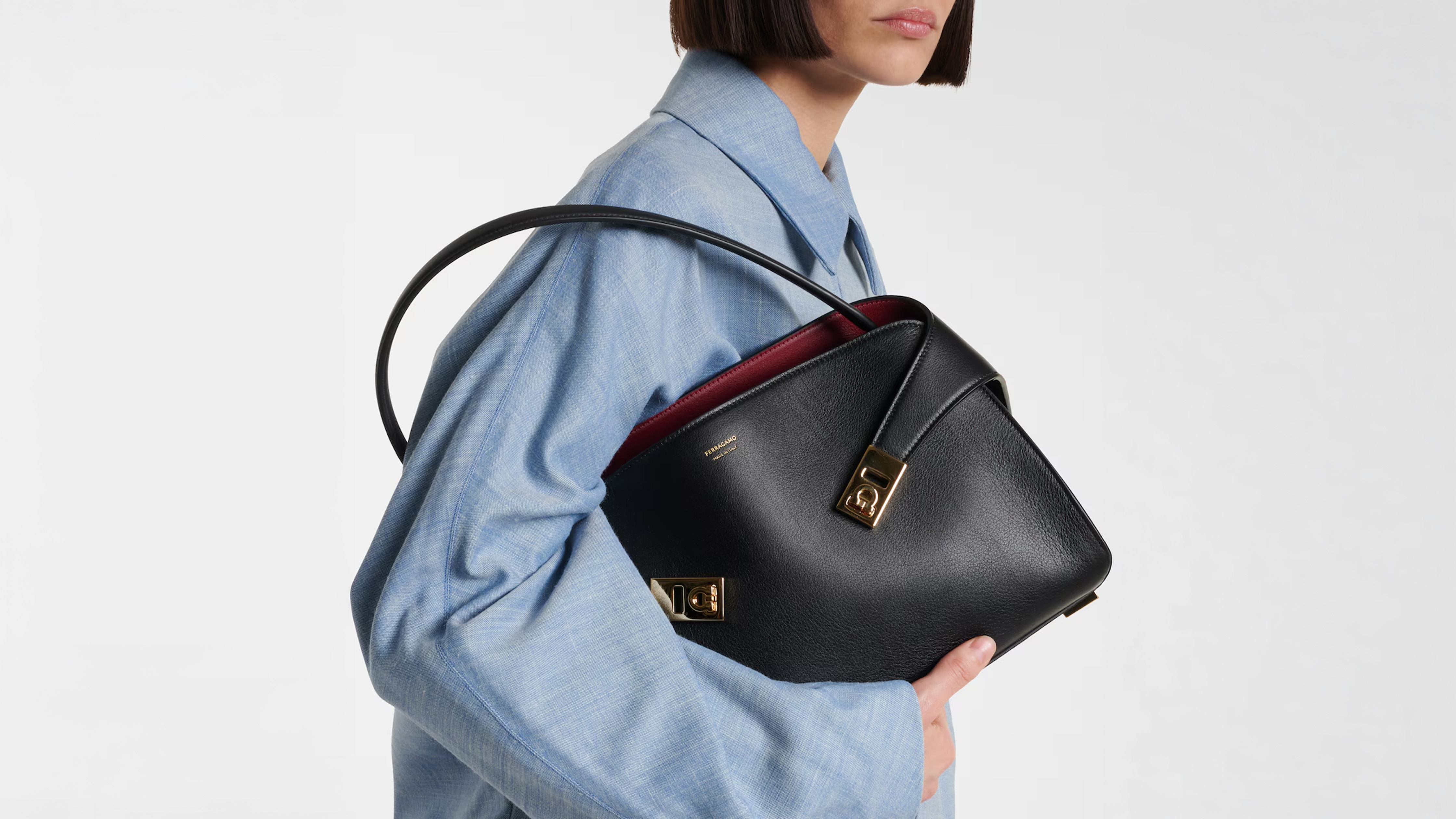
Ferragamo, the hug bag, £2,250. The name describes the shape, not the material, which catches people out. Two leather straps finished with adjustable Gancini clasps wrap around from the sides to the front panel and hold the main tote, so the bag appears to be embracing itself.
A dress depreciates. A well-chosen bag behaves more like an asset with a strap
The newer names worth knowing
Phoebe Philo, small gig bag, £2,100. Philo's own label, backed by LVMH, launched in October 2023 and was the most anticipated return of the decade after a tenure at Celine that produced an unusually devoted minimalist following. The gig bag is the distillation: suede lining, tonal stitching, silver hardware, leather ties.
Jimmy Choo, £1,550. An elongated bucket bag named for the diamond-shaped drawstring that gathers it. Introduced in 2024, so still new by the standards of this list, and already carried by Sienna Miller and Olivia Dean.
Toteme, £950. Among the more structured of the leather buckets, thanks to an adjustable belt with gold hardware that lets you change the width of the suede-lined body. The cheapest thing here by a distance.
Two founders doing something specific
Savette, £1,360. Founded in 2020 by Amy Zurek, and named for her mother's maiden name. The bags carry no logo and are identifiable only by a turn-lock closure, which is a confident decision in a category built on recognisability. They are designed explicitly as modern heirlooms, made to be handed down.
Neous, Scorpius, £750. Vanissa Antonious came to this from magazine editing and now makes leather bags defined by clean lines and organic folds, handcrafted in Italy by independent family-owned factories. The Scorpius is the crossbody cut of her larger carry-all, sized for a phone, a wallet, keys, sunglasses and a small notebook and nothing beyond that.
How to read the list
The prices run from £750 to £3,340, and the spread is not really about quality.
What separates them is how legible each one is. Savette and Neous are deliberately quiet, and you buy them because you like the object. The Row and Philo are quiet in a way that other people recognise, which is a different and more expensive proposition. Ferragamo and Jimmy Choo are doing something with more shape to it.
All of them are being bought partly on the assumption that they can be sold. That is what the resale figures are actually measuring, and it is why a category of accessory is currently outgrowing clothes.
More from Fashion
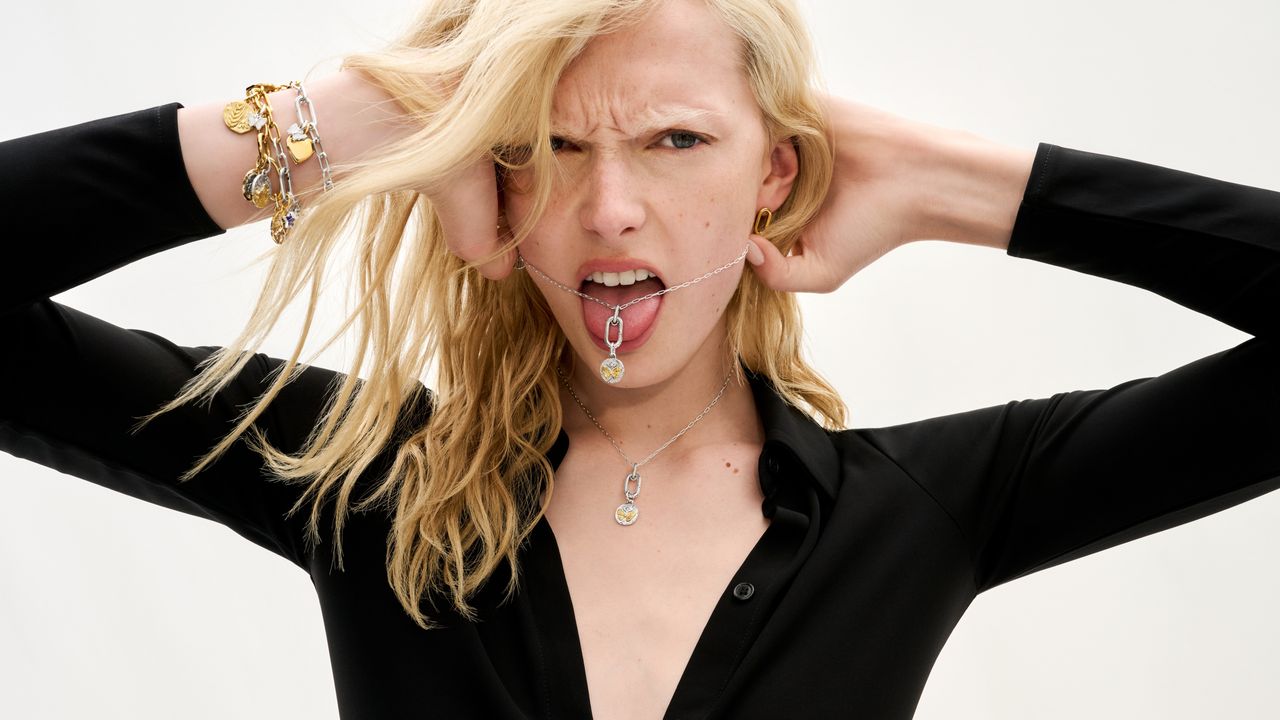
Alex Consani Wears Jewellery With a Story, Which Is Why the Zodiac Collection Works
Pandora's new Talisman range turns a star sign into a wearable identifier, and the model fronting it says the appeal is that people ask about it.
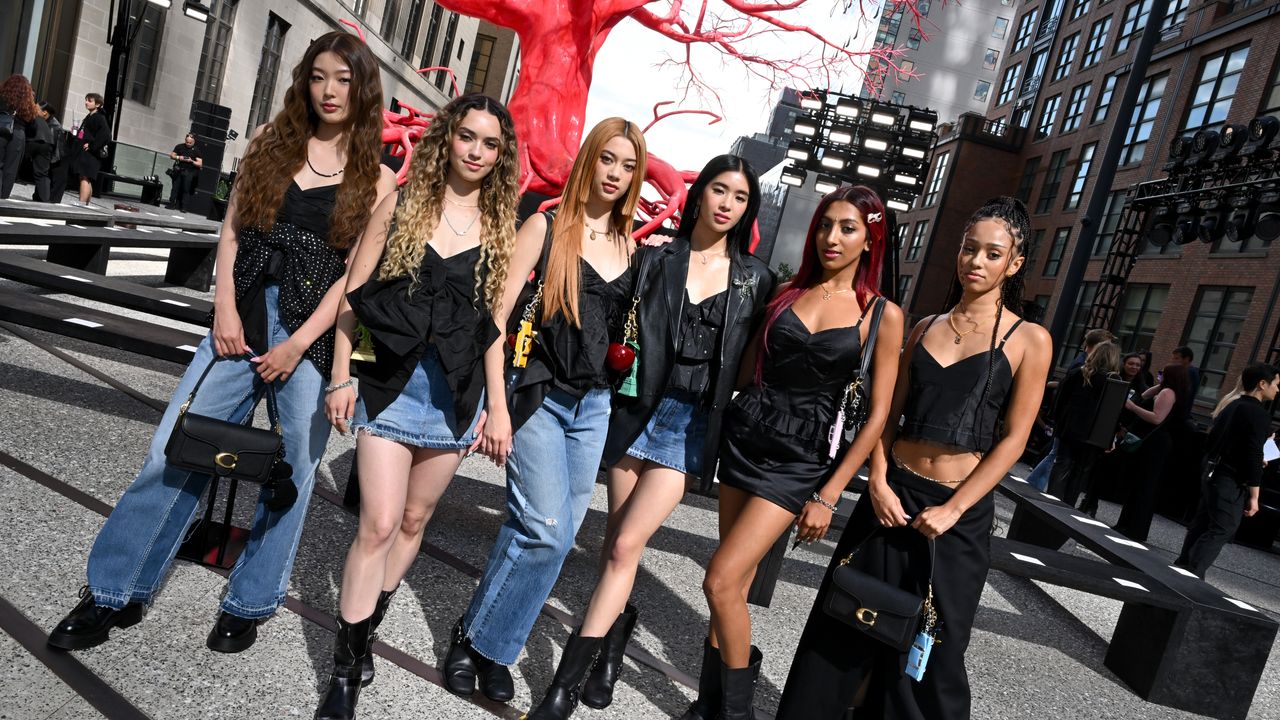
New York Fashion Week Has 126 Separate Events This Season, and Diane von Furstenberg Is Back
The spring/summer 2027 calendar runs to 63 runway shows alone, with the first collections landing a day before the official start.
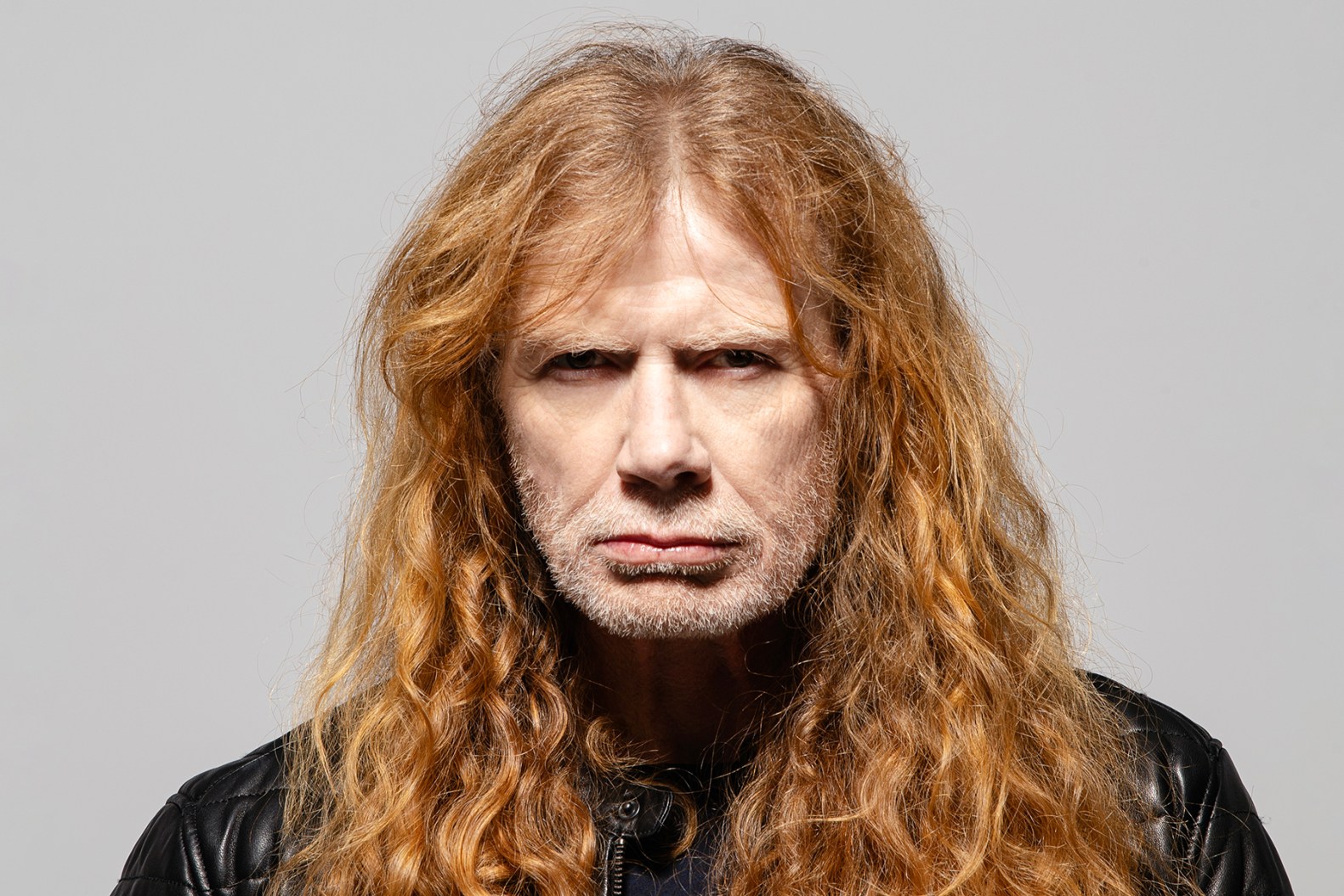
Dave Mustaine on the Album Megadeth Made Through Cancer, Covid and a Leaked Video
The Megadeth frontman's new memoir sets out how the band delivered its sixteenth album while he was in treatment, touring was impossible, and its…