Dave Mustaine on the Album Megadeth Made Through Cancer, Covid and a Leaked Video
The Megadeth frontman's new memoir sets out how the band delivered its sixteenth album while he was in treatment, touring was impossible, and its bassist was being fired.
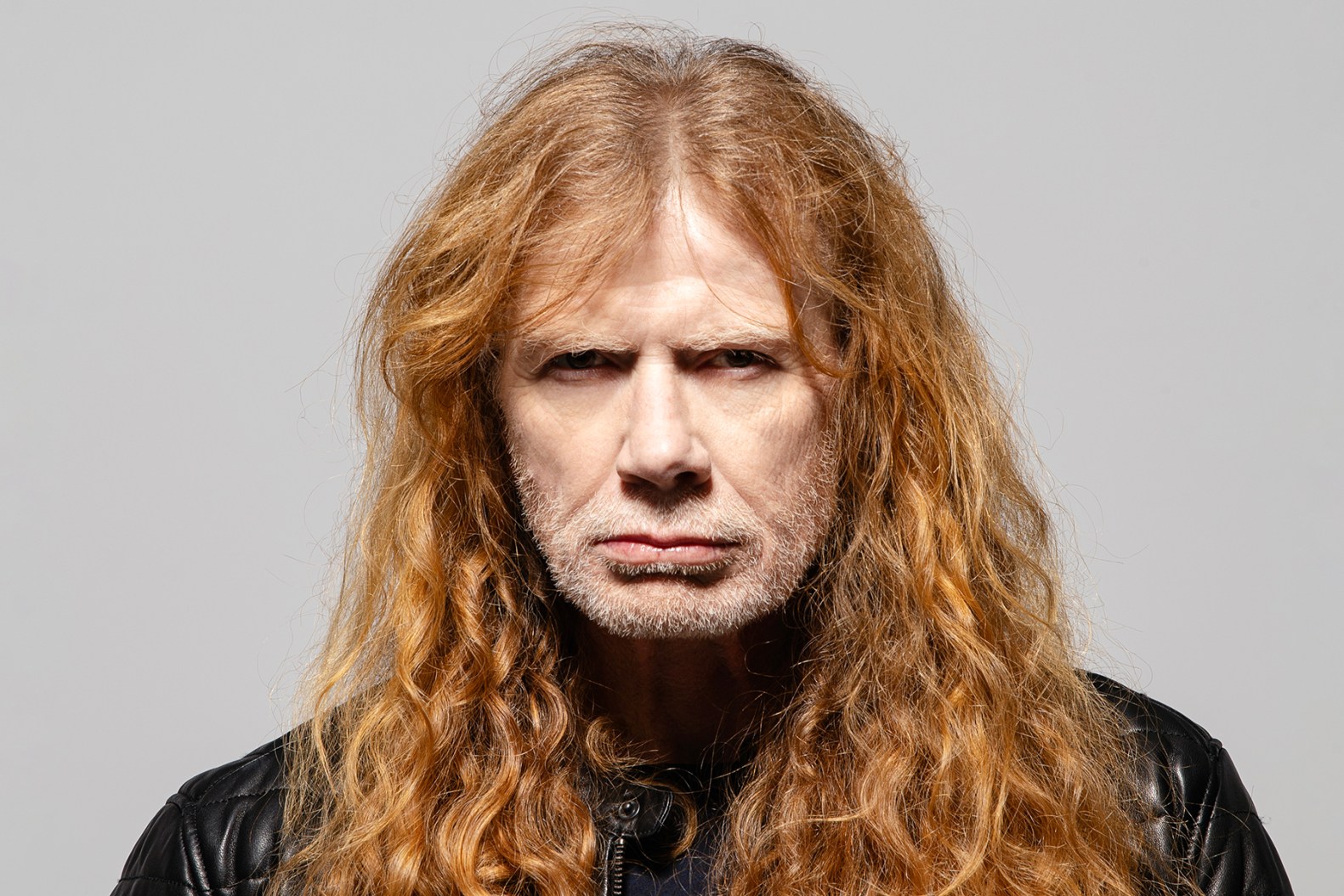
Dave Mustaine has published a memoir, In My Darkest Hour, and the section that will be read first is the one covering 2019 onwards, when his cancer diagnosis arrived in the middle of making a record.
The album was Megadeth's sixteenth, The Sick, the Dying and the Dead. Its production was interrupted repeatedly so Mustaine could get treatment. That was not the only problem it had.
In the book, Mustaine describes how the diagnosis altered the way he saw things, the fears he carried through it, and what kept him pointed forward: his family, his faith, and a determination that the band would continue. The last of those turns out to have been less sentimental than it sounds.
A band is a payroll
Covid closed touring down, and with it the revenue that pays for everything else. Mustaine is blunt about what that meant.
"With touring not an option and a gigantic revenue stream effectively wiped out, it became imperative that we focus all efforts on producing a new album," he writes. "This wasn't just about me. There are a lot of people who rely financially on Megadeth."
That is the unglamorous mechanics of a heritage act, stated plainly. A band at that level is an employer. When the stage disappears, the record is not an artistic choice, it is the only remaining way to keep a group of people paid.
So they worked, under conditions Mustaine details with some pride. Masks. Constant washing. A meticulously clean environment, with his own housekeeper coming over to clean the farmhouse and studio house continuously. Organic food only. A deliberately narrow circle, limited to people whose contribution to the record was critical. No visitors and no strangers.
"I guess you could say that we did what everyone else did during Covid," he writes. "We worked diligently and got the job done despite some serious challenges."
We were really careful, and in some ways probably more focused than ever, because the stakes were so high
Getty Images for Palms Resort
Recording a band that could not be in a room
The drummer Dirk Verbeuren adds his own account, and it captures how strange the process was.
His parts were recorded around May 2020. He would normally have flown. He did not, because nobody yet knew whether flying was safe and because Mustaine had just come through cancer treatment. Exposing him was not a risk worth taking.
So Verbeuren rented a car and drove from Los Angeles to Nashville, covering it in three or three and a half days, then recorded the drums.
By then it was mostly the other members working on the record, and he describes the arrangement with some regret. He would have spent more time in the studio with them. The instruction of the period was to stay away from each other as much as possible, which he notes is roughly the opposite of what the band likes to do.
His preference, and the way the band works when it can, is to record the final takes with Mustaine and the co-producer present rather than sending files back and forth. Demos can travel. The real thing, in his view, should not.
Verbeuren has said he would like to try recording all four players together again, the way the band did on Youthanasia and, he assumes, some of the earlier records. He is realistic about why it does not happen often. It requires the songs to be close to finished, everyone to know them properly, and the whole group in one place at one time. It is a slower and more expensive way to make a record, and it is the way most of the ones people still talk about were made.
The bassist
The third disruption was the one the band had least control over and handled fastest.
David Ellefson, Megadeth's bassist, became the subject of widespread online speculation after footage of him masturbating leaked. He was fired. Another bassist was brought in to re-record his parts.
Mustaine covers it in the memoir, and the flatness of the telling is the point. A founding member was removed and replaced, on a record already being made around a cancer diagnosis and a pandemic, and the album still came out.
That is the through-line of this section of the book. Three separate crises, any one of which would have stopped most bands, arriving inside the same eighteen months. What the memoir documents is not triumph over them so much as the fairly grim professionalism required to keep working through all three at once.
More from Fashion
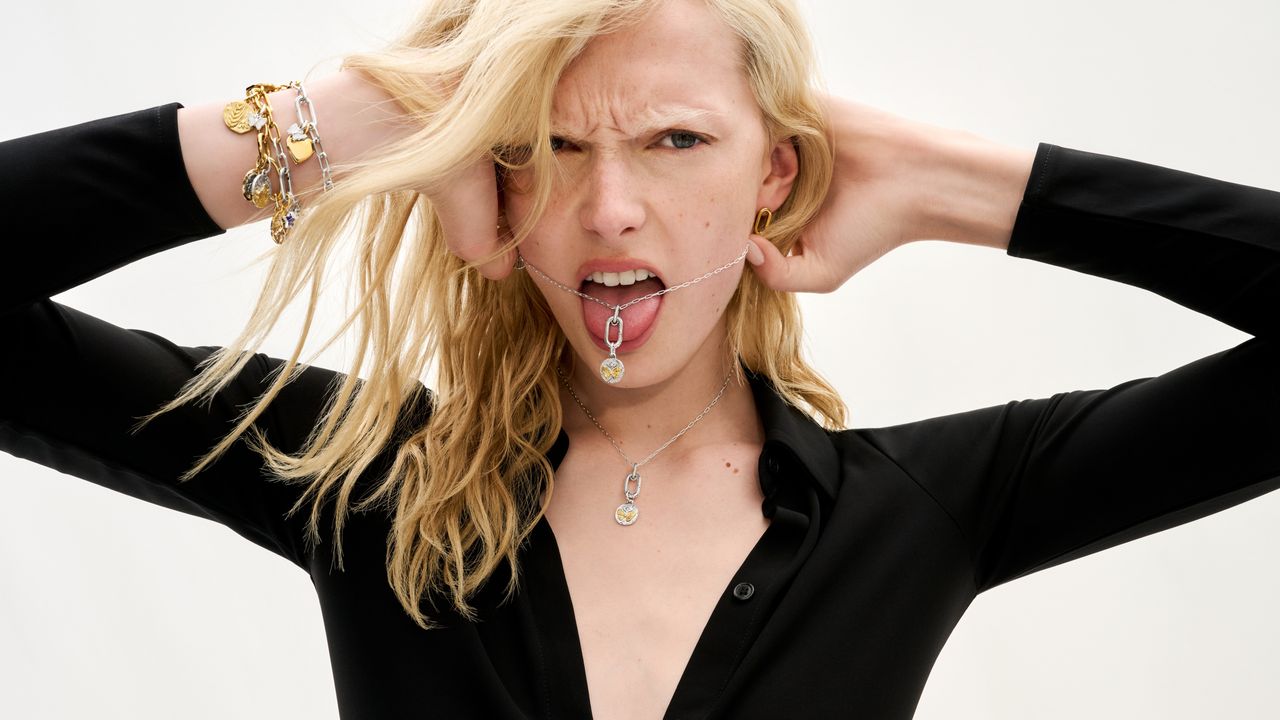
Alex Consani Wears Jewellery With a Story, Which Is Why the Zodiac Collection Works
Pandora's new Talisman range turns a star sign into a wearable identifier, and the model fronting it says the appeal is that people ask about it.

New York Fashion Week Has 126 Separate Events This Season, and Diane von Furstenberg Is Back
The spring/summer 2027 calendar runs to 63 runway shows alone, with the first collections landing a day before the official start.

Handbags Are the Fastest-Growing Thing in Luxury, and the Resale Market Explains Why
Leather goods are forecast to outgrow clothing by roughly two to one over the next two years, and the secondhand market is expanding three times…