Evan Is Building a Second Self, and Dressing It Carefully
The former ENHYPEN vocalist has stepped out alone under a childhood nickname, and the presentation is doing as much work as the music.
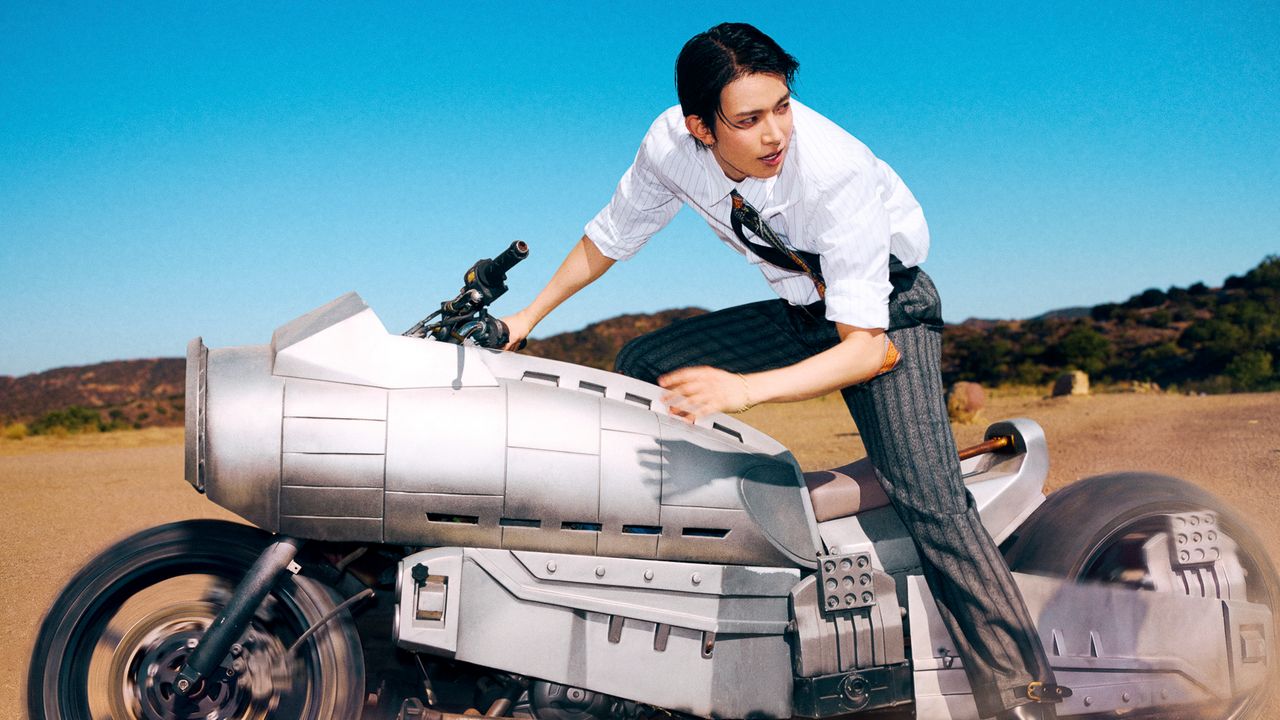
Evan is 24, and about to perform as a solo artist on a major North American stage for the first time. The occasion is KCON LA 2026, the Korean culture and music convention, where he last appeared in 2024 as a member of ENHYPEN. A great deal has changed between those two bookings. He does not appear nervous about any of it.
What he describes instead is a kind of self-administered pressure. "It feels as though someone keeps chasing me, but I think that person must be me," he says, sitting in a hotel conference room in downtown Los Angeles a couple of days before the show. "It's the deadlines I've made for myself. I'm the kind of person who finds it hard if I don't keep changing, if it feels as though I'm not evolving. This is why I keep giving myself missions to complete, but these are, ultimately, self-imposed."
The name is the first costume
He was born Lee Heeseung, in Namyangju, just northeast of Seoul, with an older brother, two parents who loved him, a knack for soccer and drawing and an appetite for knowing things. He sang R and B and K-pop in the car. He played marbles and Power Rangers. His favourite was the red one, and the reasoning has not changed since. "Red is my favourite because he's the main character."
Then he was Heeseung, main vocalist of the fourth-generation group ENHYPEN. Then, this past spring, he was the member who left that group while staying with the label, the HYBE subsidiary Belift Lab, which caused no small amount of turbulence.
Now he is Evan, which is what he was called during the years he spent overseas as a child. It is a real name rather than an invented one, which makes it an unusually honest piece of rebranding. He has not adopted a persona. He has reactivated an earlier one.
It feels as though someone keeps chasing me, but I think that person must be me
Dressed for the transition
The clothes are working to the same brief. For a performance at the Grammy Museum he wears blue jeans, a white tee and a black Ralph Lauren military-style jacket, under smoky eyes. It is a deliberately unfussy set of choices, and it reads as a deliberate correction.
Group idol styling tends towards the coordinated and the conceptual, because it has to make five or seven people legible as one unit. A soloist has the opposite problem. Nothing is holding the image together except the person wearing it, and the fastest way to look like a member who has wandered off is to keep dressing like one.
Jeans and a white tee solve that by refusing the question. The jacket does the specific work, and the eye makeup keeps the connection to the stage version of him without carrying the whole apparatus over.
He is, by any account, well suited to this. Across three days of shoots, interviews and performances he moves with the assurance of someone thoroughly prepared and the restlessness of someone who is never quite satisfied with the result.
Talking, at length, in two languages
He speaks mostly in English, switching to Korean when a question deserves a more careful answer, with an interpreter in the room. He laughs easily. He slows down when the subject warrants it.
The sit-down runs close to two hours, the longest he has given, and he shows no sign of finding that a strain. That in itself is a shift. An idol in a group is usually protected by the format, allotted a share of the questions and a share of the answers. Alone, there is no one to hand a difficult question along to.
A few days later, over video from Korea, the presentation is entirely gone. He is jet-lagged, bare-faced, wearing a baseball cap over dark hair, and slightly surprised by his own week. "There were many parts of this that I had not been able to imagine," he says. "To take on such a variety of promotions, especially as a solo artist, was a new kind of experience for me."
Success, defined narrowly
The mission he has set himself now is to make Evan a career rather than an interlude, and to define what that means before anybody else does it for him.
His definition is unfashionably small. "For me, my success is developing myself," he says. "Money and fame and crowds and everything, it doesn't matter."
It is the sort of line that can sound like management training, and in his case it functions as a defence. An artist who leaves a successful group is going to be measured against it constantly, by chart position and ticket sales and the volume of the response online. Deciding in advance that the metric is something else is a way of declining a comparison he cannot win and does not want.
The jacket, the name, the two-hour conversation. All of it is the same project: assembling a version of himself that can stand on a stage without the other six.
More from Fashion
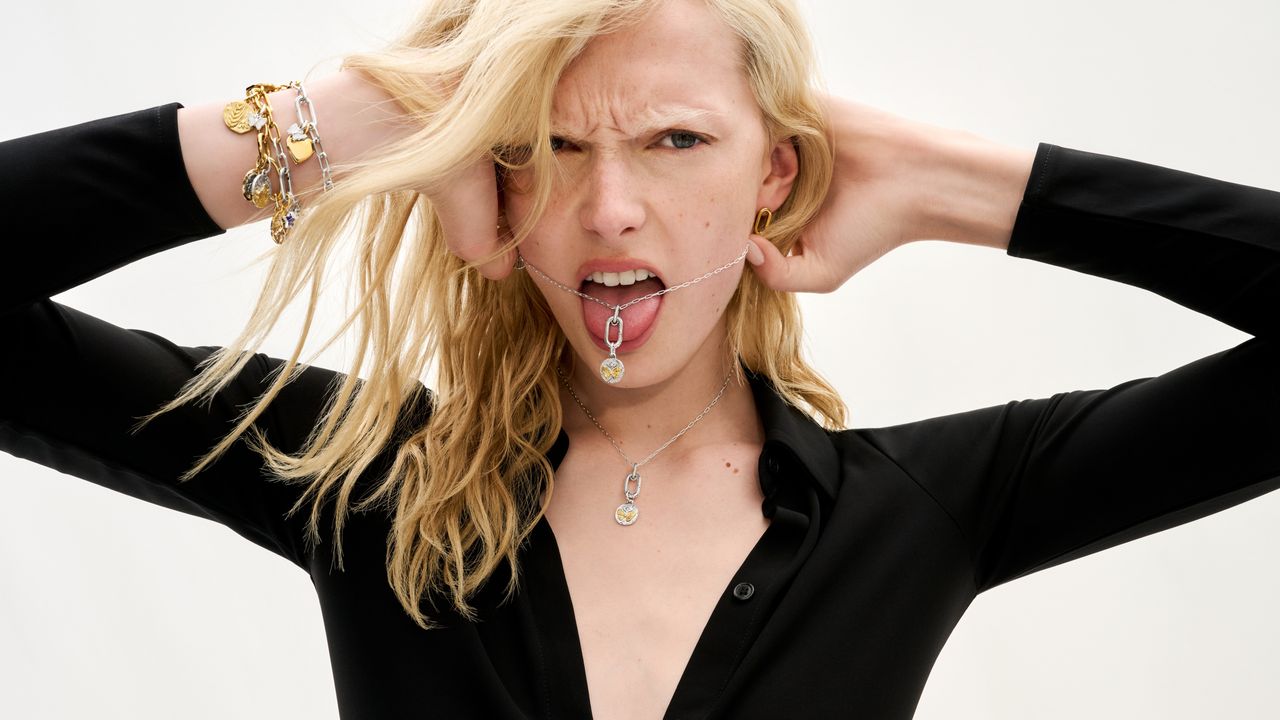
Alex Consani Wears Jewellery With a Story, Which Is Why the Zodiac Collection Works
Pandora's new Talisman range turns a star sign into a wearable identifier, and the model fronting it says the appeal is that people ask about it.
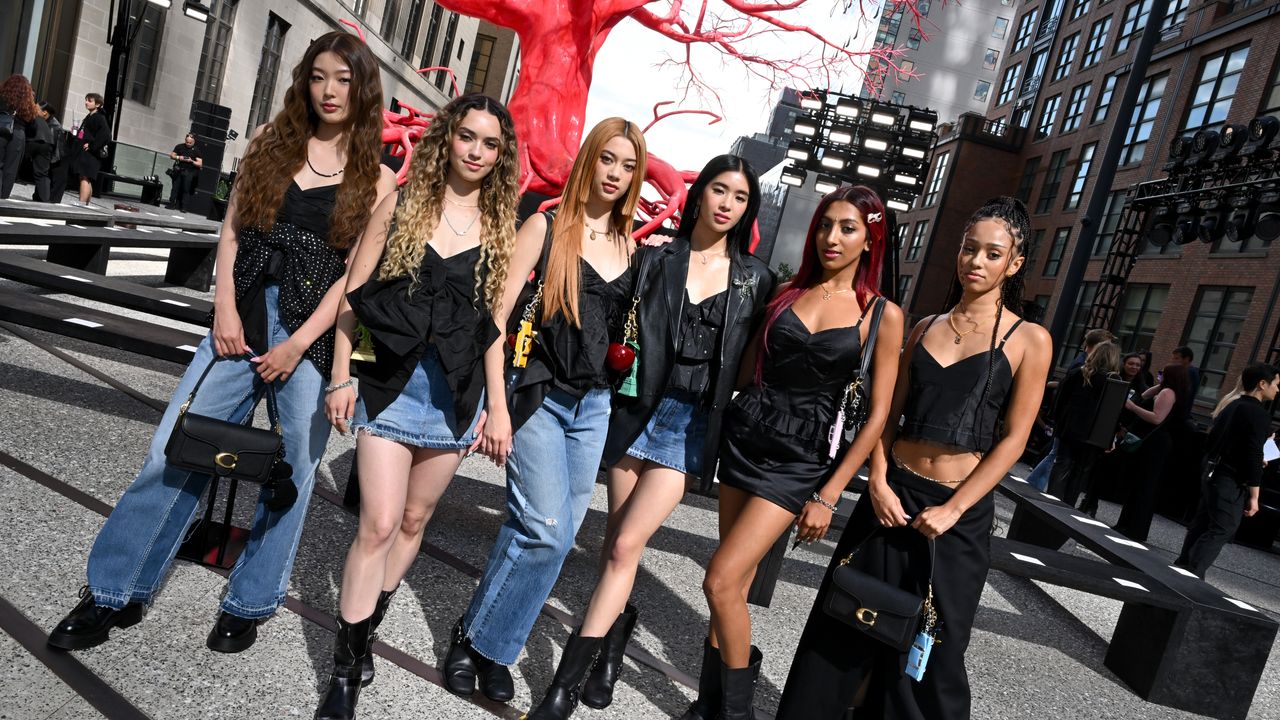
New York Fashion Week Has 126 Separate Events This Season, and Diane von Furstenberg Is Back
The spring/summer 2027 calendar runs to 63 runway shows alone, with the first collections landing a day before the official start.
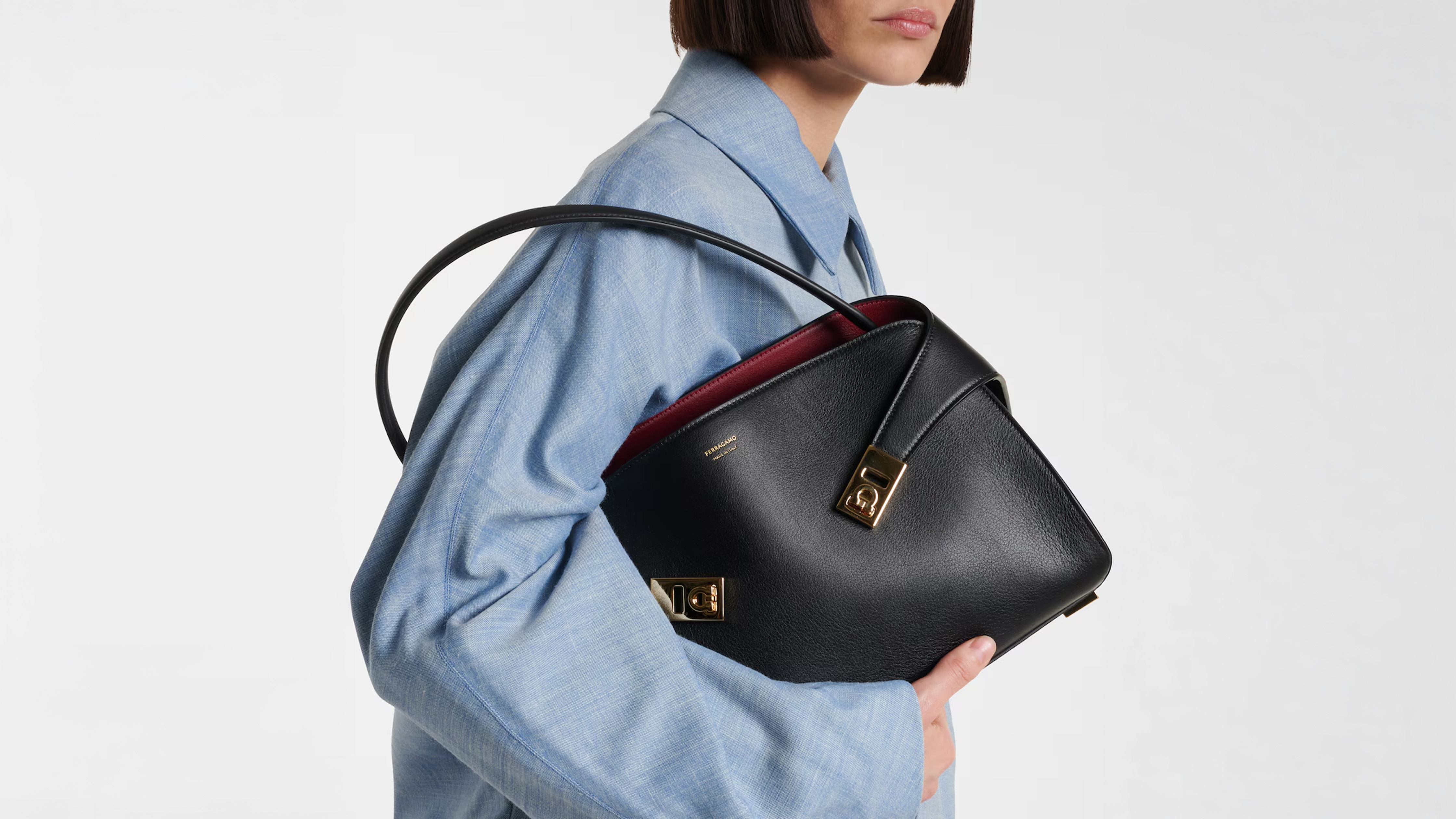
Handbags Are the Fastest-Growing Thing in Luxury, and the Resale Market Explains Why
Leather goods are forecast to outgrow clothing by roughly two to one over the next two years, and the secondhand market is expanding three times…