Ten Gel Nail Removers, One Banned Solvent, and a Single Recall
Federal laboratory testing found methylene chloride, banned from cosmetics at any concentration since 1989, in ten gel nail polish removers sold in the United States, and only one of the ten brands has recalled its bottle.
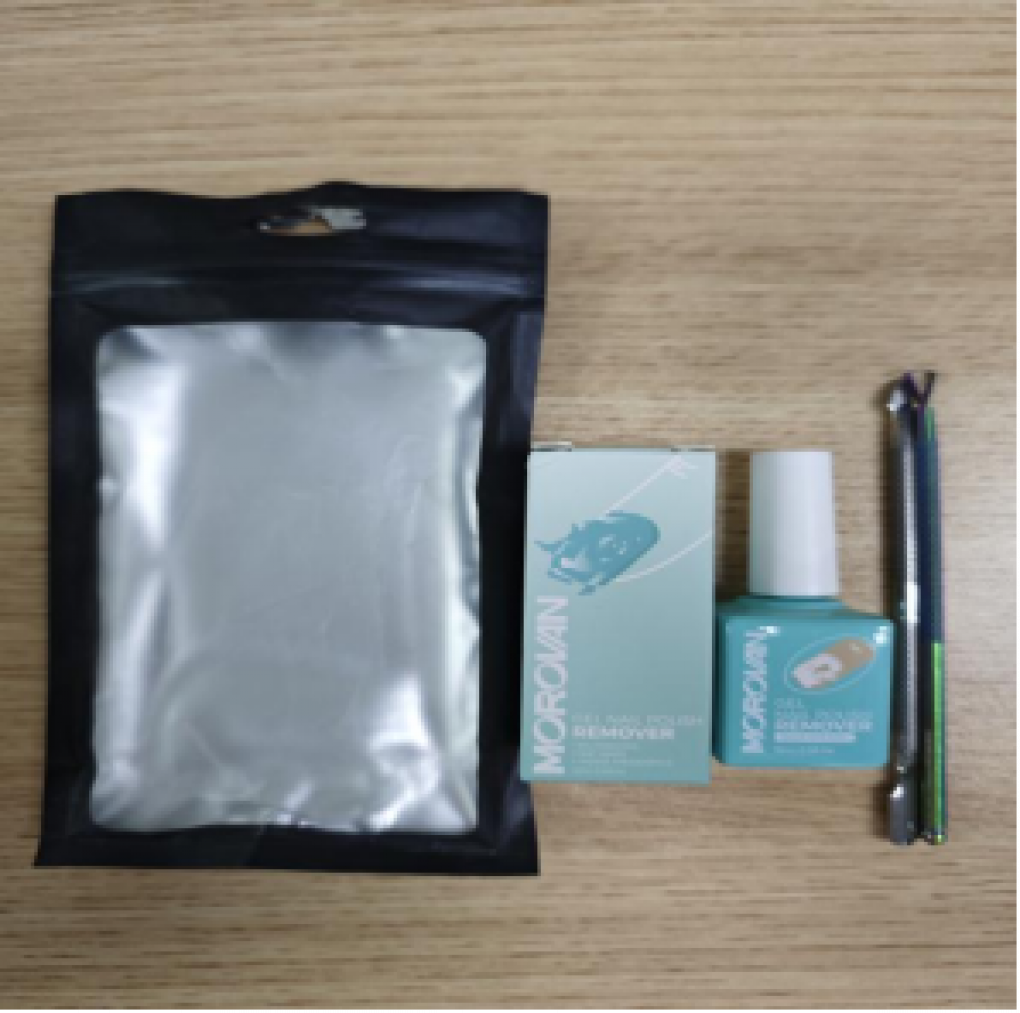
The United States Food and Drug Administration has tested ten products sold as gel nail polish removers and found methylene chloride in every one of them. The concentrations, published in the agency's own results table, run from 77.1 per cent to 94.4 per cent by weight. All ten were manufactured in China. The ingredient has been prohibited in cosmetics at any level since 1989.
"Methylene chloride is a prohibited ingredient, which is not allowed in cosmetics at any level (21 CFR 700.19)," the agency writes on the page carrying the results.
These are the ten, with the year the agency tested each one and the methylene chloride content it measured by weight:
- NIFEISHI Nail Polish GEL REMOVER, tested 2025, 78.0 per cent
- BORN PRETTY MAGIC GEL REMOVER, tested 2025, 90.0 per cent
- Candy Lover GEL POLISH REMOVER, tested 2025, 88.8 per cent
- EELHOE MAGIC REMOVER, tested 2025, 89.1 per cent
- MOROVAN GEL NAIL POLISH REMOVER, tested 2025, 89.4 per cent
- GELLEN TIME TO SHINE Nail Removal Kit, tested 2025, 94.4 per cent
- AL'IVER Nail Polish Quick Gel Remover, tested 2024, 77.1 per cent
- AL'IVER Professional MAGIC REMOVER, tested 2024, 83.6 per cent
- AIBRIT Gel Nail Polish Remover, tested 2024, 92.7 per cent
- BesTby Gel Nail Polish Remover, tested 2024, 87.1 per cent
The numbers came from gas chromatography with a flame ionization detector, measured weight by weight, each figure the average of three preparations from the same lot, according to the footnote under the agency's table.
What the bottle does not say
The rule these products break is older than most of the brands. Title 21, section 700.19 of the Code of Federal Regulations states that a cosmetic containing methylene chloride "is deemed adulterated and is subject to regulatory action under sections 301 and 601(a) of the Federal Food, Drug, and Cosmetic Act". It was published in 1989, and it was written about hair sprays, where the solvent was then used at "concentrations generally ranging from 10 to 25 percent". The removers tested in 2024 and 2025 carry three to nine times that.
The reason the regulation gives is a two-year inhalation study run by the National Toxicology Program, in which methylene chloride "produced a significant increase in benign and malignant tumors of the lung and liver of male and female mice". The agency's own summary of the risk stops short of a claim about people: methylene chloride, it says, "has been shown to cause cancer in animals and is likely harmful to human health".
A shopper reading an ingredient list would not necessarily catch it. "Cosmetics that contain methylene chloride as an ingredient often fail to identify it as an ingredient on the cosmetic product label," the agency writes. "In addition, the ingredient is sometimes listed under other names such as dichloromethane or methyl bichloride."
One brand recalled and nine did not
Morovan announced a voluntary recall on 9 April 2026, and the agency published it on 13 April. About 4,000 units of a 15ml remover were affected, sold on Amazon.com between August 2025 and January 2026, after methylene chloride and chloroform were detected in the product. No incidents or injuries were reported, and the remedy is a refund. The retailer named in the notice is HONGKONG YIIXIN TRADING LIMITED, Nails Studio, of China.
The notice carries the manufacturer's own description of the bottle it is withdrawing: a product "used for fast, safe, and gentle removal of gel nail polish and builder gel". It tells buyers to stop using it immediately and to "clearly mark the product bottle and its outer packaging with the word 'Recalled' in a prominent location", then throw the whole thing in household waste and photograph the discarded product to claim the money back.
That is one bottle out of ten. The agency's table is a list of laboratory results, not a list of recalls, and no document shows the other nine products being pulled from sale.
"Consumers should beware of purchasing and using any such products."
The power the agency has not used
Since the Modernization of Cosmetics Regulation Act of 2022, the agency has been able to order a recall when a company refuses to run one itself. It describes that law as "the most significant expansion of FDA's authority to regulate cosmetics" since 1938. The mandatory recall sits in section 611 of the Federal Food, Drug, and Cosmetic Act, and its trigger is a reasonable probability that a product is adulterated or misbranded and that use of it will cause serious adverse health consequences or death.
Guidance on how that power works is still a draft. The agency issued "Questions and Answers Regarding Mandatory Cosmetics Recalls" on 18 December 2025, under docket number FDA-2025-D-2246. No instance of the power being used was found in the documents consulted here.
On 9 September 2026 the agency told facilities, retailers and companies something else about the paperwork underneath all of this. It does not issue certificates proving a company is registered, and it does not issue letters confirming a company is exempt from registering. It said it was writing because inquiries had risen, and because "ecommerce platforms, such as TikTok Shop, may ask those wanting to sell their products on these platforms to provide proof of FDA registration". Registration itself certifies nothing: "The assignment of a facility registration number or product listing number does not indicate FDA approval of the facility or its cosmetic products."
What the record does not show
For nine of the ten brands, no document consulted identifies who is legally answerable. The 2022 law hangs every duty on the manufacturer, packer or distributor whose name appears on the label, and for a brand that exists as a storefront name on a marketplace listing, no such party is named. The Morovan notice names a retailer in China, not a manufacturer. Whether any of the ten facilities is registered is not published. Whether the nine were ever withdrawn from sale is not recorded.
Nor is there a dose. No document consulted says how much methylene chloride a person takes up during one gel removal, or what a safe level would be by that route. The 1989 rule rests on mice breathing it.
The rest of the beat has stalled in the same way. The proposed rule setting standard methods for detecting asbestos in talc was withdrawn on 28 November 2025, leaving no final rule. A search of Federal Register documents from the agency between 1 January 2026 and 22 September 2026 returns no cosmetics rulemaking of any kind. The Poison Control Center line, 1-800-222-1222, is open 24 hours.
More from Beauty

Julianne Moore's Skincare Routine Has Grown More Complicated. Her Cleanser Costs 16 Dollars
The actress says the rest of the regimen keeps expanding with age, while the first step has stayed exactly where it was, and the reason she gives is…
Katie Price Explained Exactly What She Had Done, Hours Before Walking the Red Carpet
She described the implants, the filler and the swelling on Instagram the same afternoon, which is a different proposition from arriving and letting…
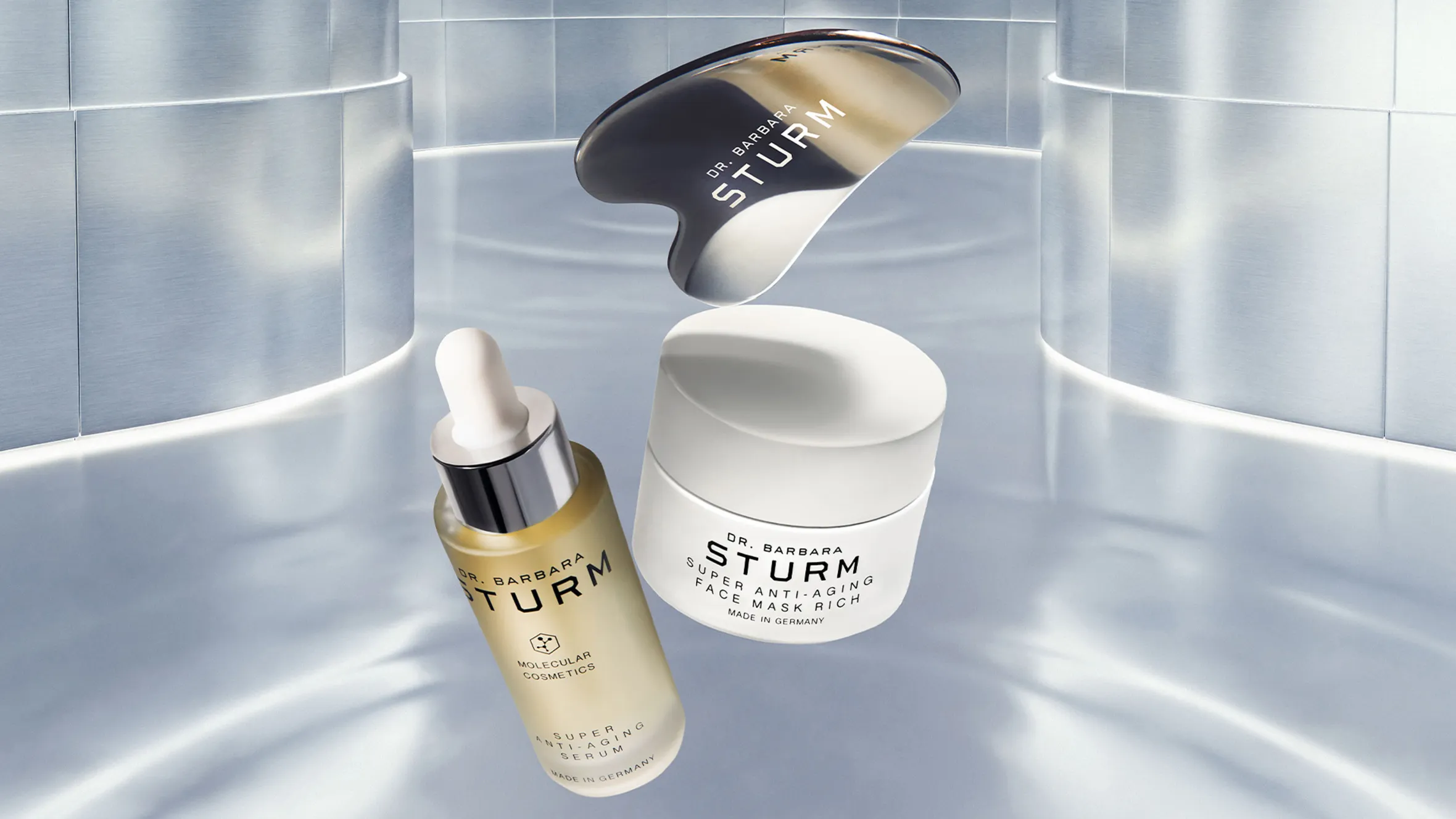
Skin Loses About One Per Cent of Its Elasticity a Year From the Age of 25
Barbara Sturm's new mask claims to restore 84 per cent of it in five applications, which is a specific enough promise to be worth examining.