Tim Curry, Who Took the Risk and Never Escaped It, Dies at 80
The English actor who originated Frank-N-Furter on a London stage in 1973 spent half a century proving he was more than the role, and was quietly right about that from the beginning.
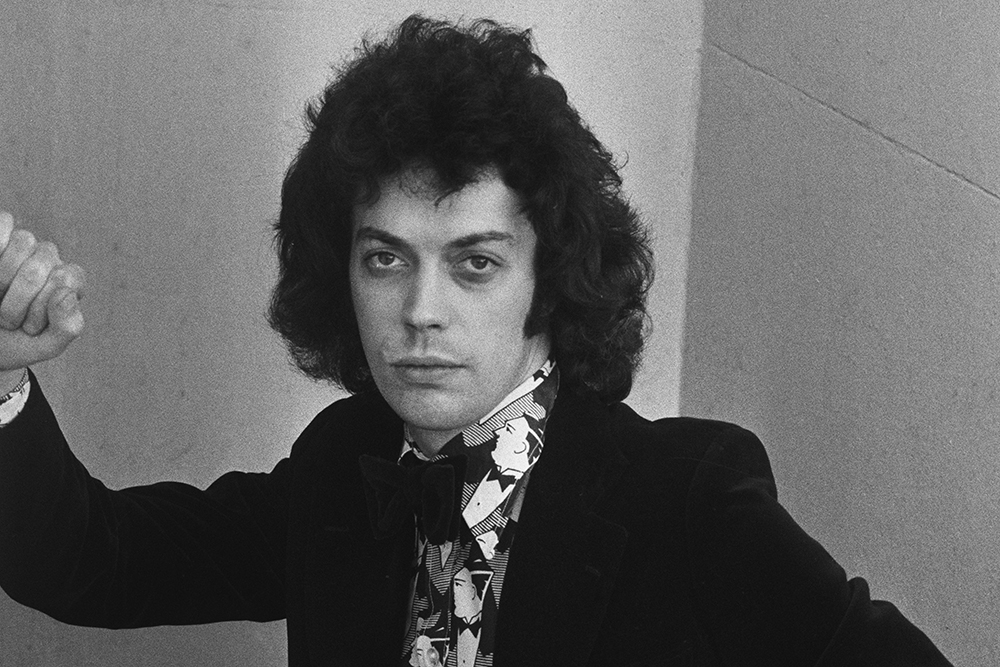
The English actor who originated Frank N. Furter on a London stage in 1973 spent half a century proving he was more than the role, and was quietly right about that from the beginning.
Tim Curry died on Tuesday at his home in Toluca Lake, Los Angeles. He was 80. His longtime manager, Marcia Hurwitz, said he died peacefully. No cause was given. Curry had lived with a series of health problems since suffering a severe stroke in 2012.
He was an English actor, singer and voice performer with a Daytime Emmy Award and nominations for both a Tony and an Olivier. None of that is what he will be remembered for, and he knew it would go that way before it happened.
He saw it coming in 1975
Curry originated the part of Dr. Frank N. Furter in Richard O'Brien's musical The Rocky Horror Show, staged in London by Jim Sharman. He carried it to Los Angeles and New York, and then into Sharman's 1975 film. The film failed on release. It then became the most durable cult picture in the English language, and Curry, in a bustier and heels, became its permanent face.
Asked about the role in a London television interview in 1975, he was measured about its prospects and unusually clear-eyed about the cost.
"It seemed like something that would go," he said. Then: "I was hesitant in that, if it worked, it might be a difficult image to shake off. But really, I've often thought that it wasn't worth doing unless you took a risk."
That is a young actor correctly forecasting the whole rest of his career, and choosing it anyway.
I've often thought that it wasn't worth doing unless you took a risk
A stage actor first, and a serious one
The typecasting obscured what he had already been. Curry began in 1968 in the London company of Hair. Through the early 1970s he worked at the Royal Court and the Citizens Theatre, playing Shakespeare, Brecht, Buchner and Stoppard, which is not the resume of a novelty act.
He kept going back. In 1981 he played Mozart in the New York production of Amadeus and was nominated for a Tony. In 1982 he was the Pirate King in Drury Lane's staging of The Pirates of Penzance and was nominated for an Olivier. Later he played the swaggering, hard-drinking actor Alan Swann in the Broadway musical of My Favorite Year, and King Arthur in Monty Python's Spamalot in New York and London, directed by Mike Nichols.
At the height of the Rocky Horror boom he also signed to A and M Records and made three rock albums. Fearless reached number 53 in 1979. Simplicity got to 112 in 1981.
The screen career that never quite matched him
Film was the medium that never worked out in proportion to what he could do, and the reason is not mysterious. Frank N. Furter was lodged too deep in the public mind for anything else to sit on top of it.
He was very good anyway. He played the con man Rooster Hannigan in John Huston's Annie in 1982. He played the villain Darkness in Ridley Scott's Legend in 1985, under a layer of prosthetics that took five hours to apply and rendered him entirely unrecognisable, which may have been part of the appeal. He was Wadsworth the butler in Clue, a film that flopped and then, in a pattern he must have found familiar, turned into a cult object.
On television he was Bill Sikes in a 1982 film of Oliver Twist and spent an arc on the CBS crime series Wiseguy in 1989 as a record executive.
What he actually did
The comparison the obituaries will reach for is Boris Karloff and Bela Lugosi, whose monster and whose Dracula in the Universal pictures of the 1930s became permanent masks. Those films are precisely what Rocky Horror was spoofing, so the parallel is neat, and it is also not quite right.
Karloff and Lugosi were fixed by roles that hid them. Curry was fixed by one in which he was entirely, flamboyantly visible, playing a character written to unsettle an audience and playing it with such obvious relish that the discomfort turned into devotion. Midnight screenings have been running for fifty years. People still dress as him.
He took the risk, it worked, and the image proved exactly as difficult to shake off as he had predicted. He spent the following half-century doing serious theatre in between, and appears to have considered the trade a fair one.
More from Talent
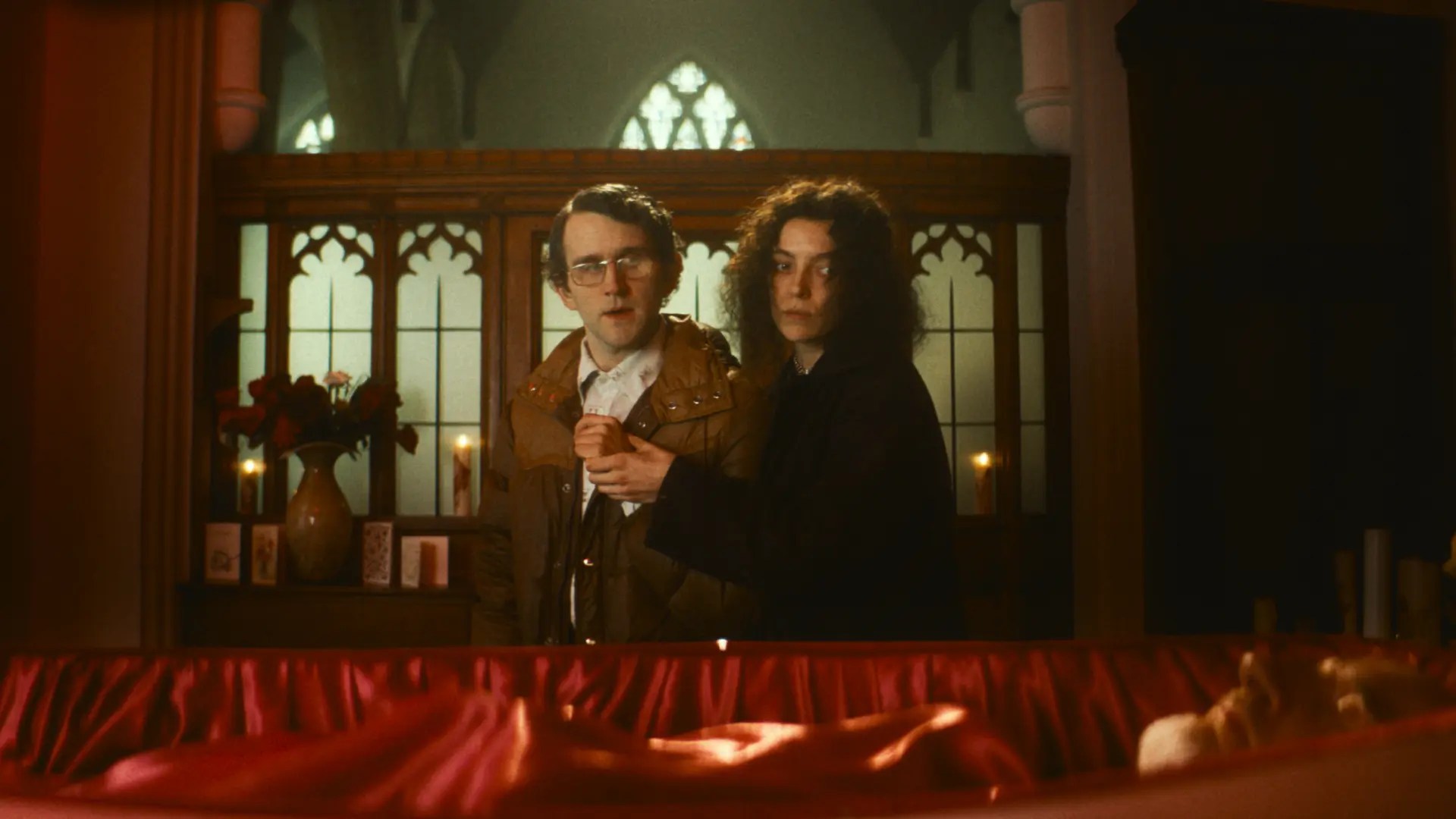
Jodie Comer Is Singing in a Taxidermy Musical, and It Premiered at Toronto This Week
Stuffed asks an audience to accept a romance conducted through the preservation of a human body, set to Broadway balladry, in a working-class…
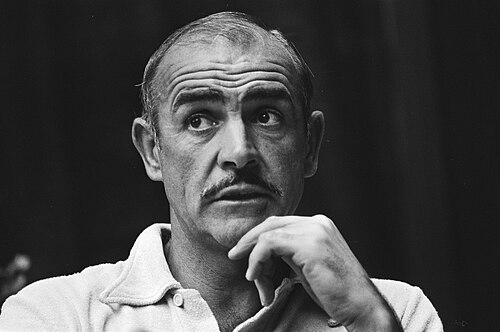
Edinburgh Gets a Connery Institute, and an Address Still to Be Found
The National Film and Television School and the Sean Connery Foundation have committed to a permanent Scottish headquarters in central Edinburgh…

DreamWorks built a studio movie out of Philippine folklore, then opened it in the Philippines first
Forgotten Island reaches Philippine cinemas on 23 September 2026 and United States cinemas two days later, with a government tourism board, a…