DreamWorks built a studio movie out of Philippine folklore, then opened it in the Philippines first
Forgotten Island reaches Philippine cinemas on 23 September 2026 and United States cinemas two days later, with a government tourism board, a consulate and a 4.4 million-strong diaspora audience already working the release.
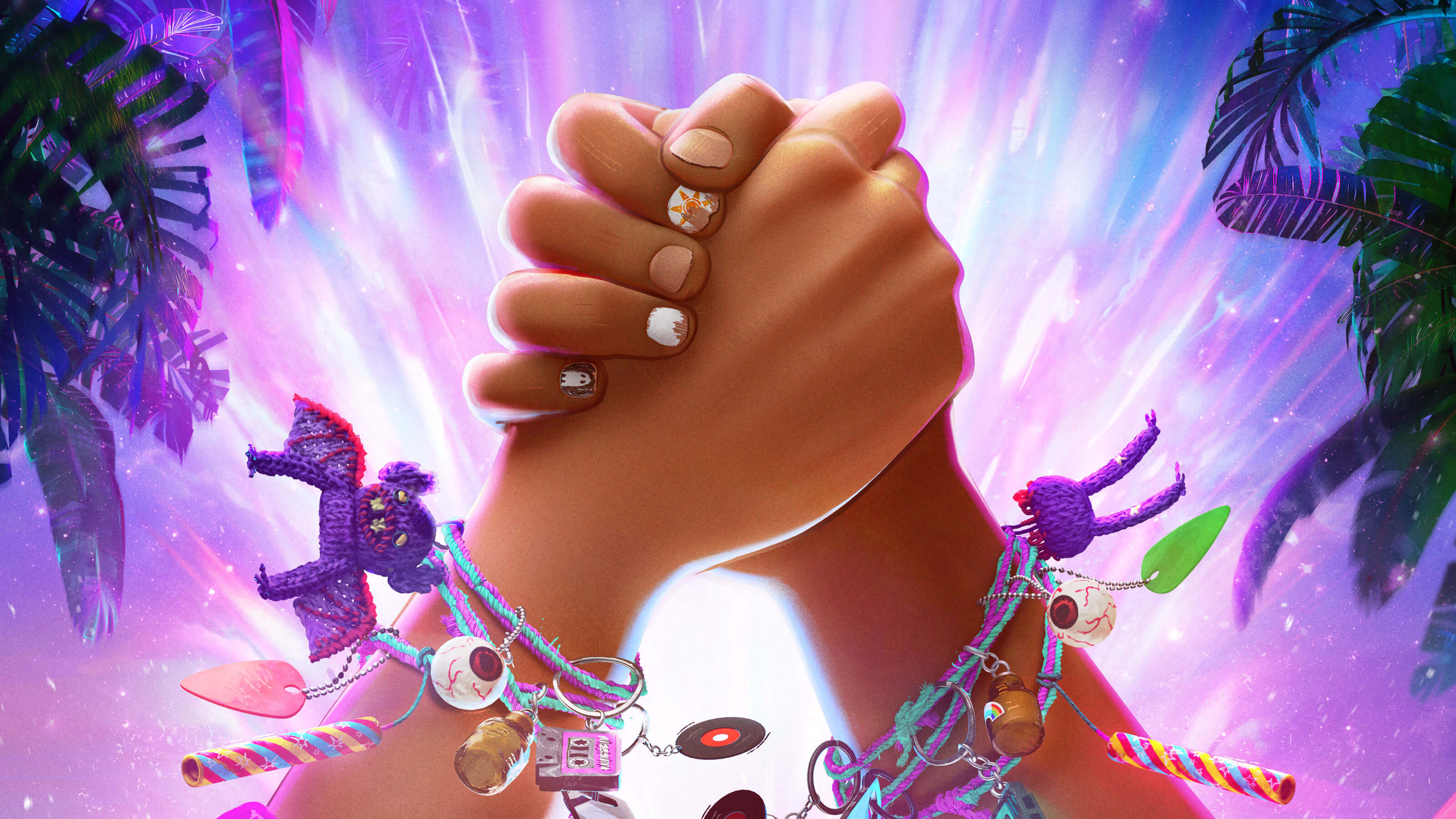
DreamWorks Animation's Forgotten Island opens in Philippine cinemas on 23 September 2026 and in United States cinemas on 25 September 2026, distributed by Universal Pictures. It was written and directed by Joel Crawford and Januel Mercado and produced by Mark Swift, the team behind Puss in Boots: The Last Wish. It is set on an island the studio's American materials call Nakali and the Annecy festival programme calls Nakalimutan, the Tagalog word for forgotten. H.E.R. and Liza Soberano voice two best friends, Jo and Raissa. Lea Salonga voices the antagonist, named in the studio's own synopsis as The Dreaded Manananggal.
The nine names the studio prints, in its order, are H.E.R., Liza Soberano, Dave Franco, Jenny Slate, Manny Jacinto, Dolly de Leon, Jo Koy, Ronny Chieng and Lea Salonga. Franco voices a weredog called Raww. The studio's copy tags the cast by awards standing, which is a tell about who the marketing is for. Universal and DreamWorks announced the project on 15 April 2025 with the September 2026 date already attached. Crawford and Mercado spent nearly six years on the story, and the Annecy programme entry credits over 400 artists.
The release order is the argument
Two days is not an accident. The Philippines got the film first, with nationwide sneak screenings on 19 and 20 September 2026 ahead of the 23 September opening, and the United States followed on 25 September. That ordering is a studio decision about where the first weekend of word of mouth happens.
The rest of the apparatus points the same way. The Philippine Department of Tourism – North America is running a consumer sweepstakes tied to the release, open from 1 August to 15 October 2026 to residents of the United States and Canada aged 18 and over. There is one grand prize: round-trip economy airfare on United Airlines, three days and two nights at Escala Tagaytay, and four days and three nights at Lihim Resorts in El Nido. The page gives approximate retail values of USD 1,200 for the airfare, USD 375 for Escala Tagaytay and PHP 213,000 for Lihim Resorts, and names Industry's Finest LLC as administrator. A government then put its name to it, in an announcement published on 28 August 2026.
"The Philippine Consulate General in Los Angeles is proud to support this exciting promotion from the Philippine Department of Tourism – Los Angeles (PDOT-LA), in partnership with DreamWorks Animation's upcoming film, Forgotten Island."
The audience arithmetic is public. The US Census Bureau's 2020 Census detailed race and ethnicity file put the Filipino alone-or-in-any-combination population of the United States at 4.4 million, the largest of the detailed Asian groups after Chinese and Indian. DreamWorks also took the late-September slot it used for The Wild Robot, which took more than USD 333 million worldwide. Pre-release trade tracking put the domestic opening weekend in a USD 20m to USD 30m range, against The Bad Guys, which opened to USD 23.9m in 2022, and Abominable, which opened to USD 20.6m in 2019. Those are projections, not results.
Manila drew the hand-drawn parts
The film's 2D, anime-influenced sequences were produced by Snipple Animation, whose production studio is in Manila. That is the part of this worth watching, because it is where the work actually landed.
Snipple is headquartered in London and states on its own site that it runs an 800-person studio in the Philippines and has worked for over 15 years as one of the largest animation partners to Disney, Warner Brothers and DreamWorks. The Annecy entry gives the film's country of production as the USA. So a film about Philippine folklore, released in the Philippines first, with a Philippine tourism board selling holidays against it, routed a visible share of its craft through a Manila floor — as a vendor, on a US production, for a US studio.
What a manananggal is, and what the film made up
The folklore is not a costume. In the tradition the manananggal is female, and after dark she severs her upper body from her lower half, grows bat-like wings and flies, leaving the abandoned lower half standing upright on the ground. The name comes from the Tagalog root tanggál, to remove or separate, and amounts to one that separates itself. Her prey is pregnant women, newborns, newlyweds and lovers, fed on through an extended tongue. The defence targets the half left behind rather than the flying one: salt, garlic, ash or fire spread on the standing torso stops the two halves rejoining, and a creature that cannot rejoin before sunrise dies. The belief runs strongest in the Visayas, particularly Capiz, Iloilo, Bohol and Antique, and the manananggal sits inside the wider aswang category of Philippine lower mythology, classified by the folklorist Maximo D. Ramos in his 1965 University of the Philippines doctoral dissertation. That account is restated here in this desk's own words from the Wikipedia article on the manananggal, published under a Creative Commons Attribution-ShareAlike licence.
The film changes the appetite. The studio's synopsis calls Salonga's character the most feared creature on the island. Separately, the same synopsis makes the film's price memory rather than blood: what leaving the island costs is the memory of the friendship. That device is the film's invention. The tradition does not describe it.
"While celebrating their last night together, Jo and Raissa stumble upon a mysterious portal that transports them to the fantastical island of Nakali, packed with magical and mythological creatures they grew up hearing stories about from their Filipino families."
What is not on the record
A good deal is not. Neither DreamWorks nor Universal has published a production budget or marketing spend, and no official document carries one, so any figure in circulation is an estimate. The MPA ratings bulletin of 1 July 2026 rated the film PG, citing animated sequences of scary action, language, rude humour, thematic elements, some violence and brief tobacco imagery, and gave the runtime as 109 minutes; other figures circulate, and the rating board's is the one used here. There is no box office yet beyond the Philippine sneak previews.
Snipple's terms are not public either. The company is credited with the 2D sequences, but the value of the work, the headcount on this title and the contract structure are disclosed by neither party, and Snipple's own site does not name the film. Two claims that travel widely — that this is DreamWorks' 50th animated feature, and that the Annecy screening on 24 June 2026 drew a five-minute standing ovation — appear on no DreamWorks, Universal or festival page, and are not printed here as fact. No tourism official is named on the sweepstakes page, and the number of entries is not published.
Salonga, Crawford, Mercado, Soberano and H.E.R. have all spoken about the film at length. None of it sits inside a studio press release, a press kit or a festival transcript, so none of it appears above. What they did is on the credits, and the credits are enough.
More from Talent
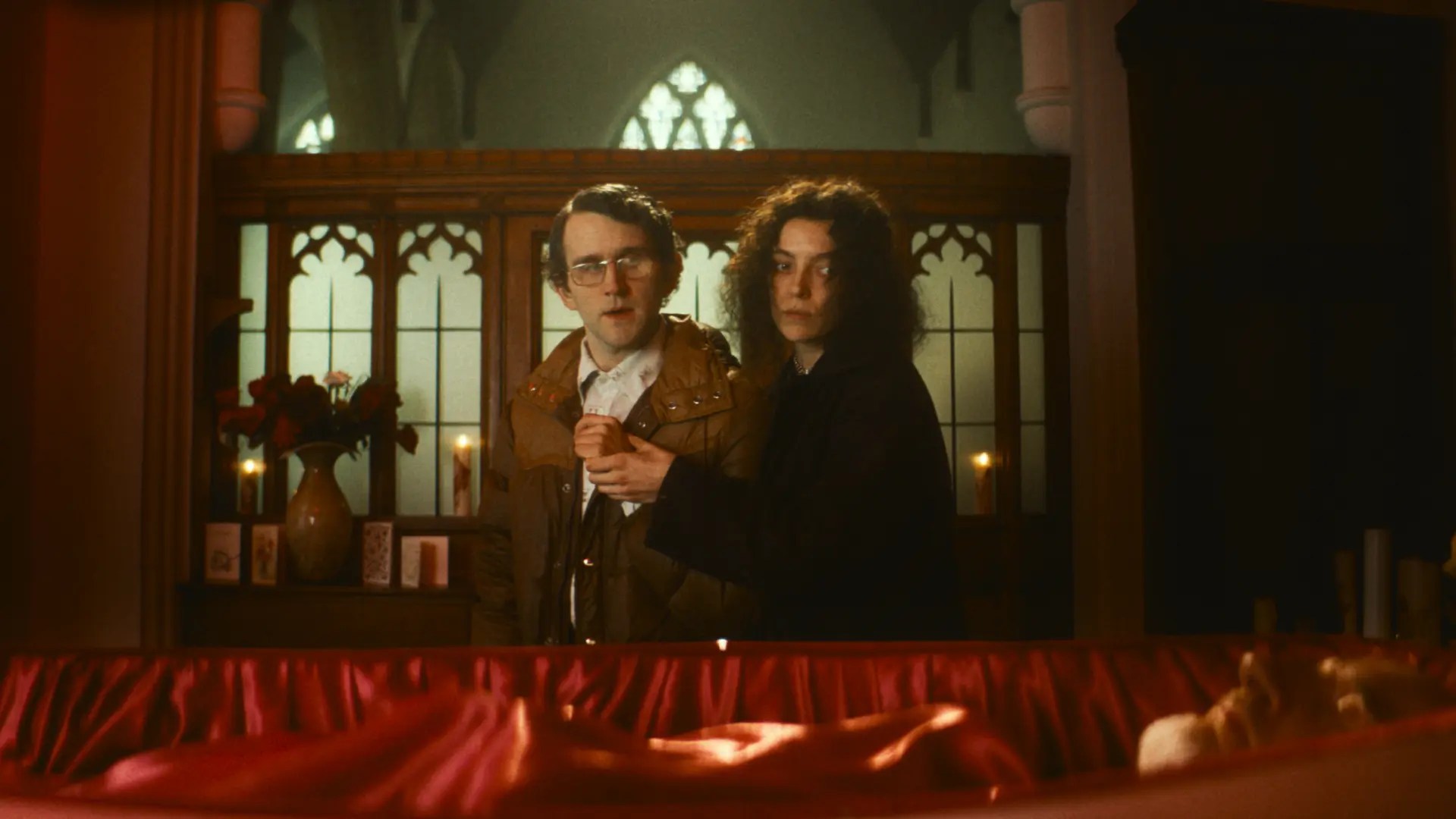
Jodie Comer Is Singing in a Taxidermy Musical, and It Premiered at Toronto This Week
Stuffed asks an audience to accept a romance conducted through the preservation of a human body, set to Broadway balladry, in a working-class…
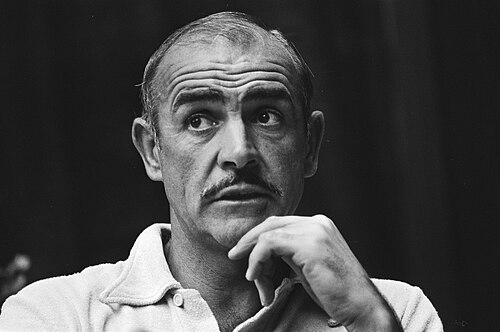
Edinburgh Gets a Connery Institute, and an Address Still to Be Found
The National Film and Television School and the Sean Connery Foundation have committed to a permanent Scottish headquarters in central Edinburgh…
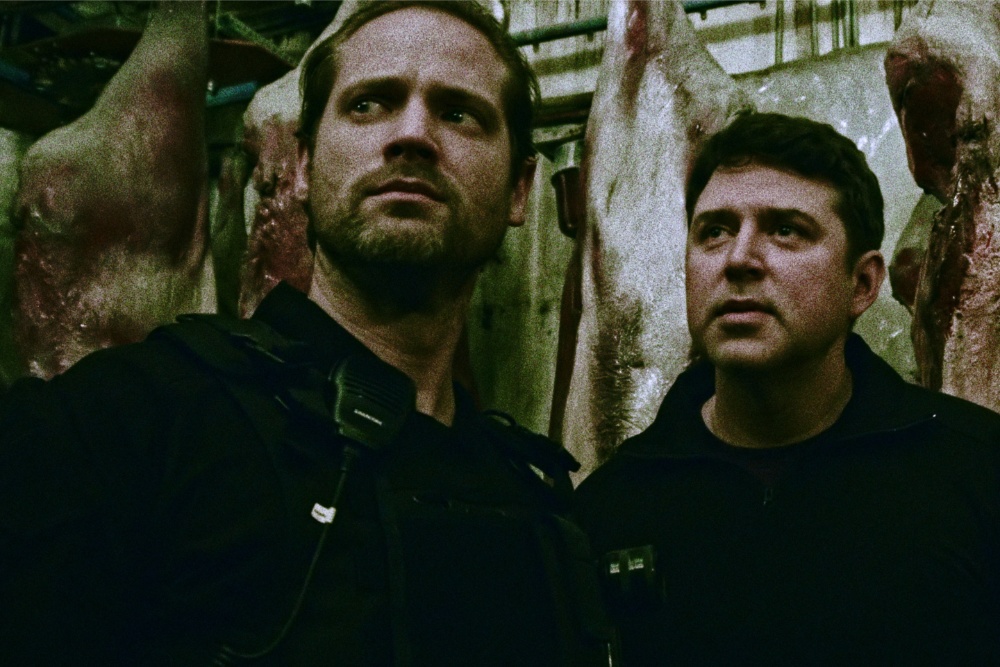
A Sales Agent Has Bought Three Horror Films From One Writer-Director in a Single Deal
Black Mandala has taken worldwide rights to Within Madness, Vessel and The Thirteenth Gate, which is an unusual level of commitment to one…