The Carrie Nobody Has Seen Yet Is the One Who Starts Out Happy
Summer Howell beat more than 1,400 other actors to a role half a century old, and the version she is playing arrives at school hopeful rather than already broken.
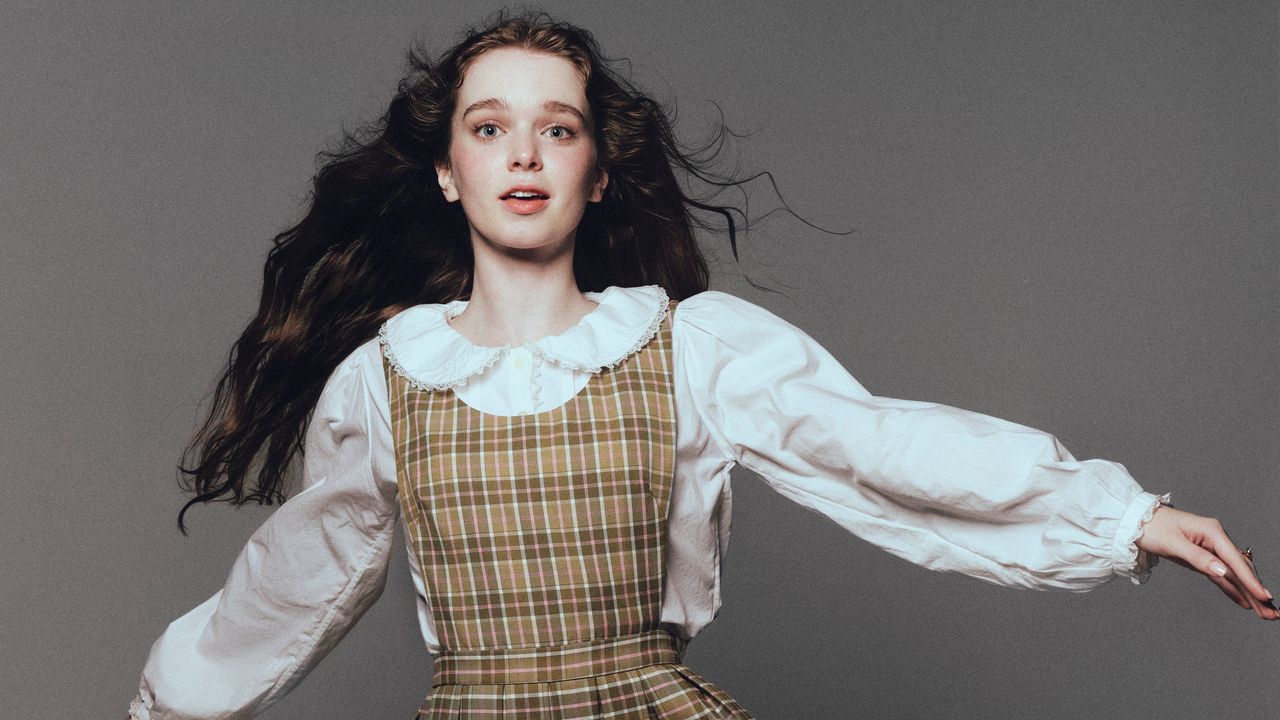
Summer H. Howell beat more than 1,400 other actors to a role half a century old, and the version she is playing arrives at school hopeful rather than already broken.
Summer H. Howell has a theory about why she keeps ending up in horror, and it is not flattering to anyone but her. "I'm aware that I seem very innocent," she says. "The way people view me, they still see a child. I get mistaken for being 14 all the time."
She is 22. She has been working since she was 9, when she landed her first screen role in Don Mancini's Curse of Chucky, and that youthful face has quietly built her a career inside the genre. It has now delivered her the part that will define it.
Howell plays Carrie White in Mike Flanagan's adaptation of Stephen King's first novel, an eight-episode limited series for Prime Video. It screens on September 18 at the Toronto International Film Festival and arrives on the streamer on October 7.
Why do it again
That is the question any new Carrie has to answer. King published the novel fifty years ago. Brian De Palma filmed it in 1976 with Sissy Spacek, and that film is itself now a landmark. There have been adaptations for screen and stage since. The bullied girl from the abusive religious household, and what her telekinesis eventually does about it, is one of the most thoroughly worked pieces of material in modern horror.
Flanagan's answer is that everyone has been playing the wrong first act.
"We've all spent half a century experiencing Carrie White as a character who is traumatized and frightened from the first page or from the first minute of the adaptation," he says. "Our version of Carrie is a character who is open, earnest, curious and kind, and wanting to be part of the world."
That single change alters the shape of the whole story. A Carrie who arrives already flinching is a victim from the opening frame, and the ending is a foregone conclusion the audience waits out. A Carrie who arrives hopeful has something to lose, and the audience watches it being taken.
Our version of Carrie is a character who is open, earnest, curious and kind
Brought up off the grid, dropped into 2026
The series relocates the premise rather than the plot. This Carrie has spent her entire life living off the grid with her fervently religious and fiercely protective mother, Margaret, played by Samantha Sloyan. When her father, a construction worker, dies suddenly, she is sent to a public high school for the first time.
So the cruelty she meets is contemporary cruelty, which is to say it is largely conducted on phones. Flanagan is reframing King's themes of casual viciousness and teenage isolation through social media, and a girl raised without any of it is the cleanest possible way to show an audience what it actually does.
It also solves a problem the story has had for decades. The novel's bullying is physical and immediate, a locker-room scene that every adaptation reproduces. Doing that in 2026 without acknowledging that the video would be online within the hour would be a period piece pretending not to be.
Flanagan is explicit that all of this is new ground for people who know the book. A character experiencing our reality and reacting to it, he says, is new material both for Carrie and for the audience that thinks it knows her.
The casting, and the argument about it
More than 1,400 actors read for the part. Flanagan says Howell brought an innocence and earnestness that was never naive and in no way an echo of anything that had come before.
He was confident enough to send her tapes to King, who is an executive producer on the series. Flanagan has adapted King three times before, with Gerald's Game in 2017, Doctor Sleep in 2019 and The Life of Chuck in 2024, and says he is always very careful about the actors he puts in front of the author, whose approval remains critical to him creatively.
King came back quickly. "Well, it has to be her, doesn't it," Flanagan recalls him saying. "Just look at her. This is such an amazing and interesting take on the character."
Not everyone agreed. When the casting was announced in June 2025, some readers objected on the grounds of physical fidelity. In the novel, Carrie's appearance is described in deliberately brutal terms, a girl who fails every teenage standard of looks, and that failure is the engine of the bullying. Howell is conventionally attractive and clear-skinned. Purists said she barely resembles the character on the page.
The objection is coherent and probably beside the point. The novel's cruelty runs on a single visible flaw, which is how bullying worked in a 1970s locker room. The version Flanagan is making runs on exclusion, on having been raised outside everything her classmates take for granted, and on the speed with which a phone can distribute a humiliation. A girl can be perfectly pretty and still fail that test completely.
Which is, in the end, what casting Howell buys. The innocence she keeps getting mistaken for is exactly the thing the story now needs to destroy.
More from Talent
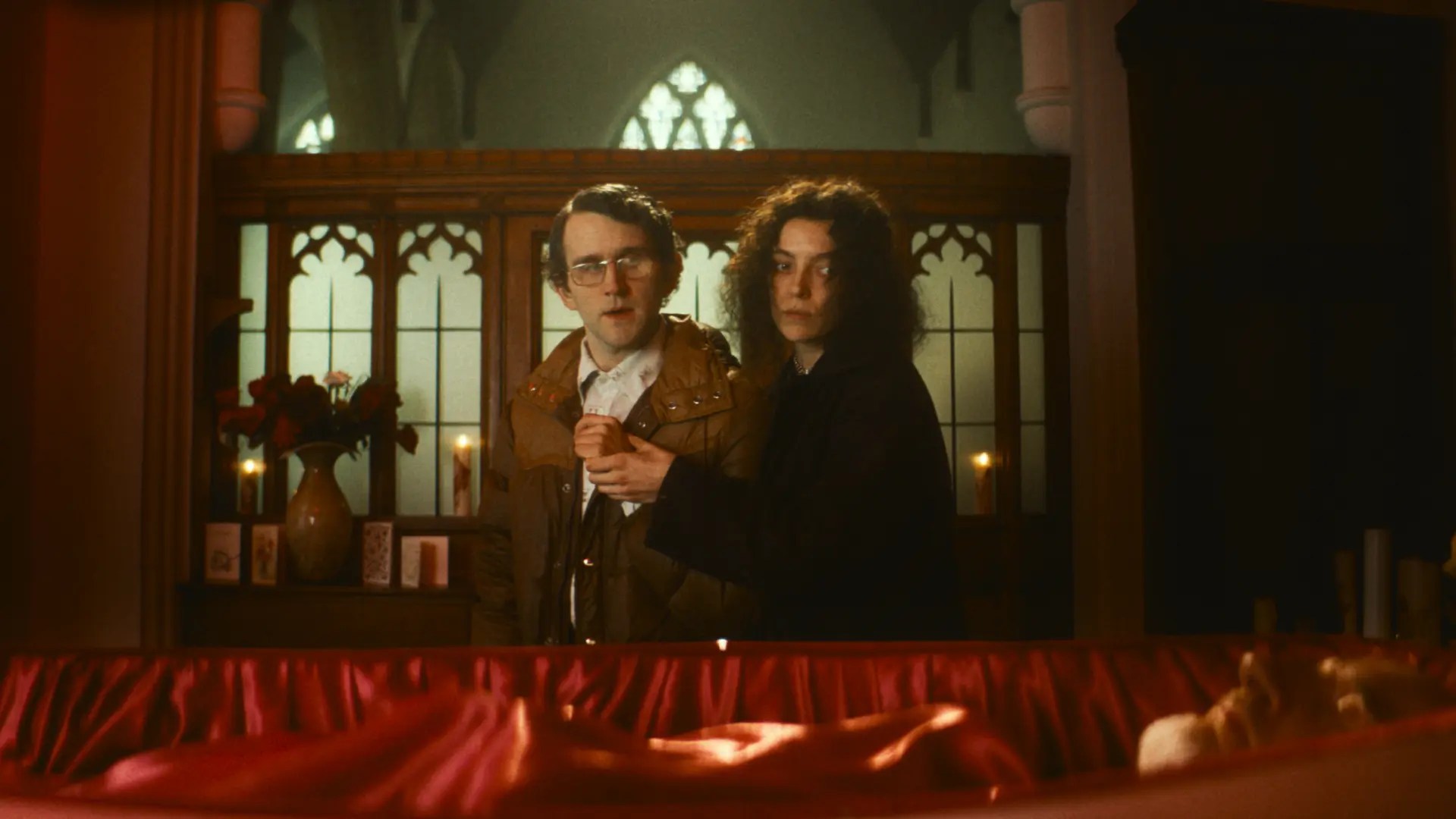
Jodie Comer Is Singing in a Taxidermy Musical, and It Premiered at Toronto This Week
Stuffed asks an audience to accept a romance conducted through the preservation of a human body, set to Broadway balladry, in a working-class…
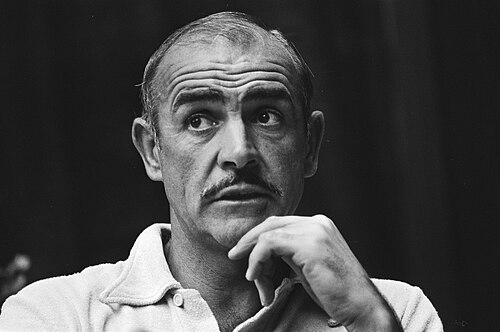
Edinburgh Gets a Connery Institute, and an Address Still to Be Found
The National Film and Television School and the Sean Connery Foundation have committed to a permanent Scottish headquarters in central Edinburgh…
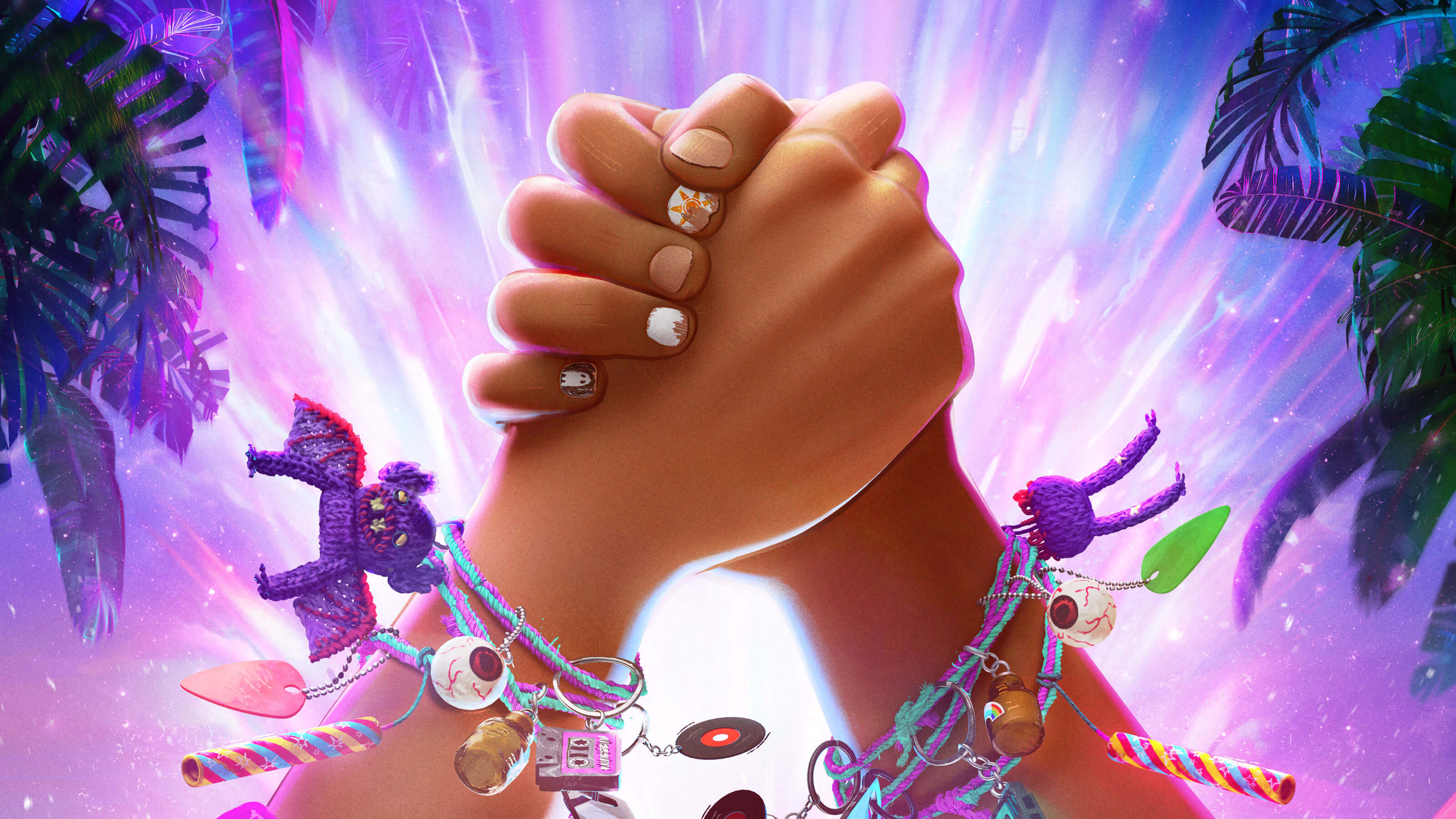
DreamWorks built a studio movie out of Philippine folklore, then opened it in the Philippines first
Forgotten Island reaches Philippine cinemas on 23 September 2026 and United States cinemas two days later, with a government tourism board, a…