Simon Stone Shot a Film About an Actor Racing Death and Finished It in Ten Months
Elsinore dramatises Ian Charleson's last months keeping himself alive to play Hamlet, and its director got it from camera to a festival premiere faster than almost anyone manages.
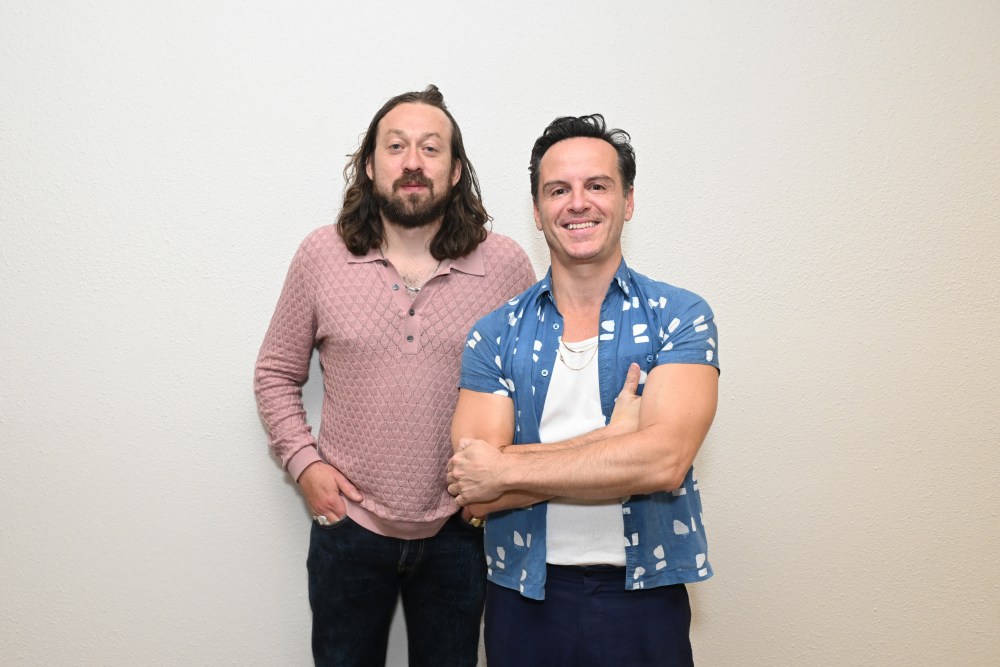
The Telluride Film Festival has a reliable annual speciality, which is making a mountain full of people cry over Labor Day weekend. Of the 2026 lineup, nothing did it more efficiently than Elsinore.
Simon Stone's film stars Andrew Scott as Ian Charleson, the British actor best known for Chariots of Fire, who died at the height of the AIDS crisis in 1990. What it dramatises is the specific thing Charleson did with his last months and weeks: staying alive long enough to play Hamlet at the National Theatre.
On the evidence of the premiere, it works. Stone and Scott were still being applauded in the lobby some time after the credits finished.
A week and a half old
Stone told the audience the film was hot off the presses, and he was not exaggerating for effect.
"We finished on Wednesday of last week, so it's a week and a half old," he said afterwards. "It's very fresh."
The compression was partly luck and partly recognition. Focus had an unoccupied slot in its autumn slate, and, Stone says, understood both what Scott was doing in the film and that the film itself lands hard with audiences.
"When you're dealing with studios who still believe in watching movies in the theater, a film like this is like catnip," he said. "It's specially made as an advocate for the theater-going experience."
That is what catapulted it onto a schedule that required real speed. It releases in November, roughly ten months after it was shot. Stone calls that lightning, and he is not wrong. Ten months from principal photography to release is close to unheard of for a prestige drama, where two years is unremarkable.
It's specially made as an advocate for the theater-going experience
Why they could move that fast
Speed of that kind is usually a warning sign. Here it appears to be a function of how little the people involved had to look up.
"I'd directed Hamlet on stage. Andrew had played Hamlet on stage. I had directed at the National Theatre," Stone said. "We knew all of these environments and this community."
Stone spent years as an actor before becoming a leading stage director first in Australia and then in London, and only afterwards moved into film. Scott's Hamlet is part of the recent history of the British stage. The building the story is set in is one they have both worked in.
The result, by Stone's account, was an insistence on veracity that did not require research so much as memory. When you have lived that life for a long time, he says, you want to be true to it.
Not only a grief film
The obvious risk with material like this is that it becomes a single sustained note of sadness, and that is not what has been made.
Scott's performance is reported to be as drily funny as it is passionate, which the screenplay by Stephen Beresford appears to have built in deliberately. The film is a love letter to stagecraft and to theatrical community as much as it is an account of one man's death, and those two registers hold each other up.
That balance is what the Charleson story actually requires. A man who knows he is dying and decides the correct use of the remaining time is to play the most demanding role in the English language is not a passive figure in a tragedy. He is someone executing a plan, against a deadline, with colleagues. Played only as suffering, it would flatten what he did.
What it means for the season
Under Stone's direction, Scott arrives as an immediate contender in the best actor race, and Stone has put himself in the conversation as well.
There is a neatness to that which is hard to ignore. A film about an actor who refused to let his body dictate his final performance, made by a director who refused to let a production schedule dictate his, arriving at a festival that specialises in exactly this kind of emotional ambush.
The lobby ovation suggests the audience made the connection too.
More from Talent
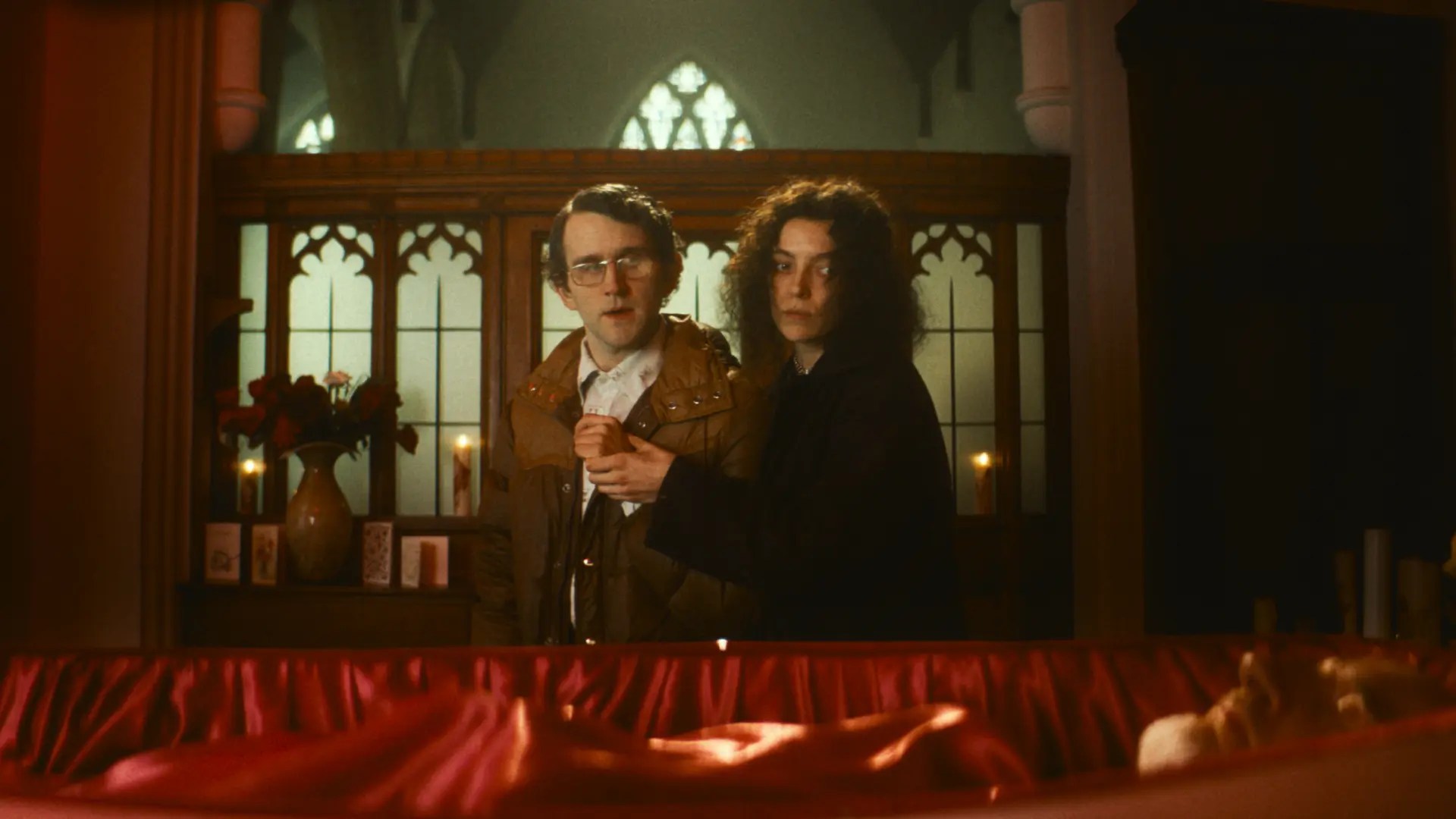
Jodie Comer Is Singing in a Taxidermy Musical, and It Premiered at Toronto This Week
Stuffed asks an audience to accept a romance conducted through the preservation of a human body, set to Broadway balladry, in a working-class…
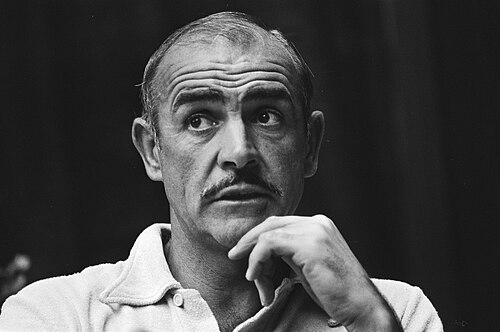
Edinburgh Gets a Connery Institute, and an Address Still to Be Found
The National Film and Television School and the Sean Connery Foundation have committed to a permanent Scottish headquarters in central Edinburgh…

DreamWorks built a studio movie out of Philippine folklore, then opened it in the Philippines first
Forgotten Island reaches Philippine cinemas on 23 September 2026 and United States cinemas two days later, with a government tourism board, a…