A Film About the 1977 Sit-In That Won Disabled Americans Their Rights Opened Toronto
Sian Heder's first feature since CODA dramatises the 28 days protesters occupied a San Francisco federal building, and it is cast with disabled actors throughout.

Being Heumann opened the Toronto International Film Festival, and it is the first film Sian Heder has directed since CODA five years ago. Ruth Madeley plays the disability-rights leader Judy Heumann. Mark Ruffalo plays the official on the other side of the argument.
The subject is the 1977 protest that launched the disability-rights movement in the United States. Heumann and a group of fellow protesters entered the Federal Building in San Francisco intending to confront the officials inside. They stayed for 28 days.
They did not plan to occupy anything
That detail is the one the film is built around, and it is what separates this from most protest drama.
The occupation was not a strategy decided in advance. It was what the situation turned into. The protesters stayed because leaving meant accepting an answer they would not accept, and they spent four weeks improvising against the politics, the press and the physical realities of their own bodies inside a government building that was not designed for them.
Heder mirrors that improvised quality in the construction of the film itself, which is the structurally bold choice here. The performances have a loose, forceful quality rather than a rehearsed one.
They would not take no for an answer, and no was the only answer they were being given
What the casting is doing
The film uses disabled actors to play disabled people throughout, and the effect is described by those who have seen it as raw and confrontational enough to burn off any sentimentality.
This is a continuation of what Heder did in CODA, which put deaf actors including Troy Kotsur at the centre of a mainstream film in a way that had almost never been done. What that film managed was a double move: it insisted that its characters' humanity exceeded their deafness, while also refusing the easy version of that idea, because deafness was central to who they were rather than incidental to it.
Being Heumann appears to be doing something sharper with the same tool.
When the protesters first assemble on screen, the film reportedly allows the audience to do exactly what audiences do: to survey the group and catalogue it. A person with MS. A blind person. A deaf person. A woman in a wheelchair. A man wearing a head brace attached to a plastic orb he uses to tap out letters.
And then the film makes clear that in performing that inventory, the viewer has already made the error the protest existed to fight. It is a trap laid deliberately, and it only works because the casting is real.
Why it avoids the usual problem
Social-protest films about movements that have already won tend to carry an unearned comfort. They are about revolutions we came through, which lets an audience feel that yesterday's radicalism was always just today's common sense. That flattery has shown up in otherwise strong films about civil rights, about gay rights, and about union organising.
By the account of those who saw it in Toronto, Being Heumann does not offer that. Heder preserves the radicalism of what the protesters were asking for as something still charged rather than settled, and keeps it operating as drama rather than as history.
The reason that is possible is that the demand itself has not aged into obviousness. What the group in that building wanted was to be treated, and seen, as full human beings. Nearly fifty years on, the fact that a film can still lay a trap in which an audience instinctively reduces people to their diagnoses suggests the argument is not finished.
Measured against CODA
The comparison is unavoidable and the early verdict is qualified. Being Heumann is not as transporting as CODA was. It is cut from the same cloth of cathartic empathy, and it is a stirring piece of work, but it does not lift in quite the same way.
That is a reasonable trade for what it does instead. CODA was a family story that happened to change how a mainstream audience saw deaf performers. This is a film about a political action, and political actions are messier, longer and less shapely than families.
Twenty-eight days in a federal building is not a story with a natural three-act structure. Heder appears to have decided not to impose one.
More from Talent
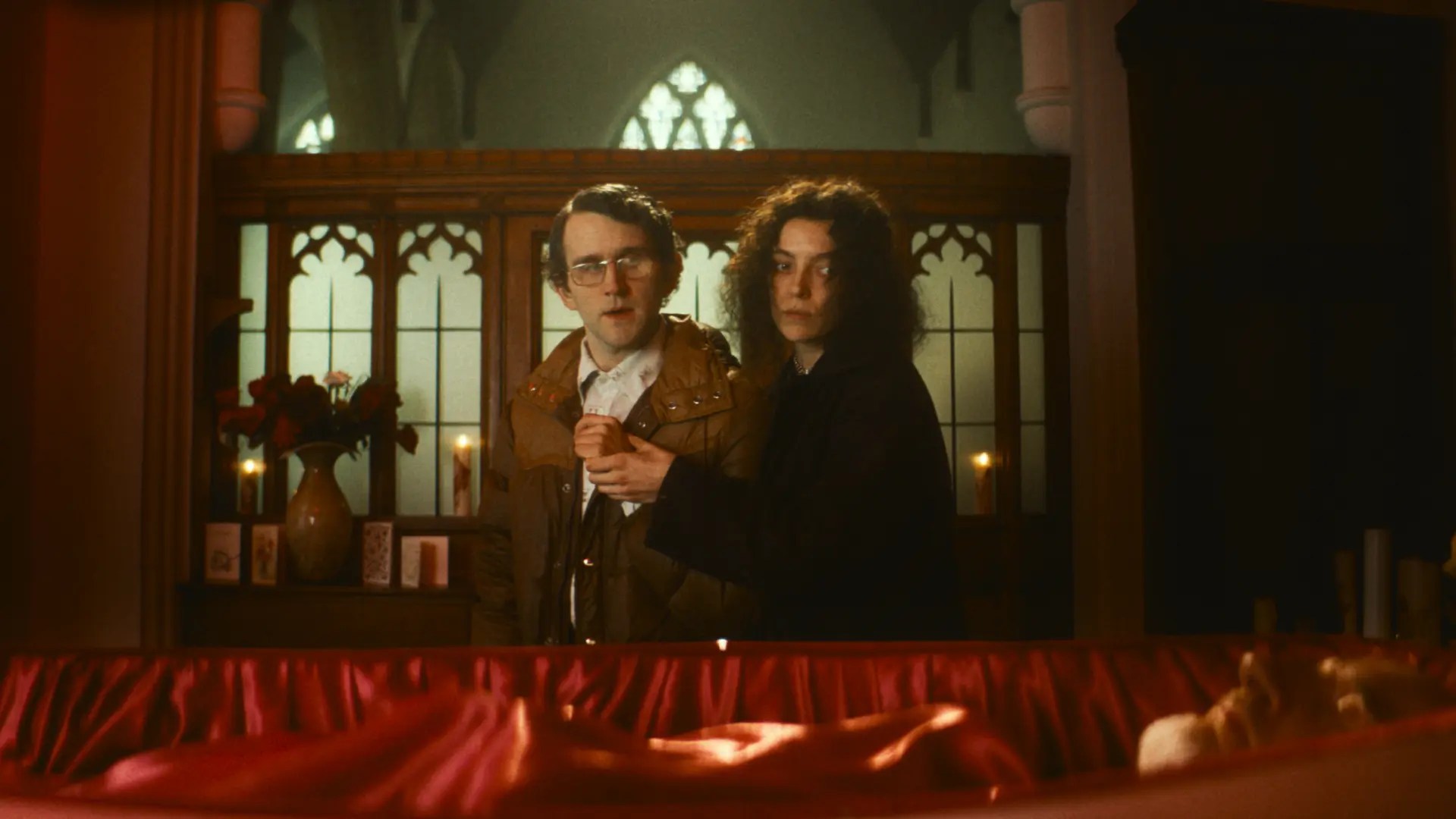
Jodie Comer Is Singing in a Taxidermy Musical, and It Premiered at Toronto This Week
Stuffed asks an audience to accept a romance conducted through the preservation of a human body, set to Broadway balladry, in a working-class…
Edinburgh Gets a Connery Institute, and an Address Still to Be Found
The National Film and Television School and the Sean Connery Foundation have committed to a permanent Scottish headquarters in central Edinburgh…

DreamWorks built a studio movie out of Philippine folklore, then opened it in the Philippines first
Forgotten Island reaches Philippine cinemas on 23 September 2026 and United States cinemas two days later, with a government tourism board, a…