Stella Lefty Has the Number Two Single in America and Two Separate Arguments to Answer
The 24-year-old's rise was first questioned because of who her father is, and is now being questioned because of what her chorus sounds like.
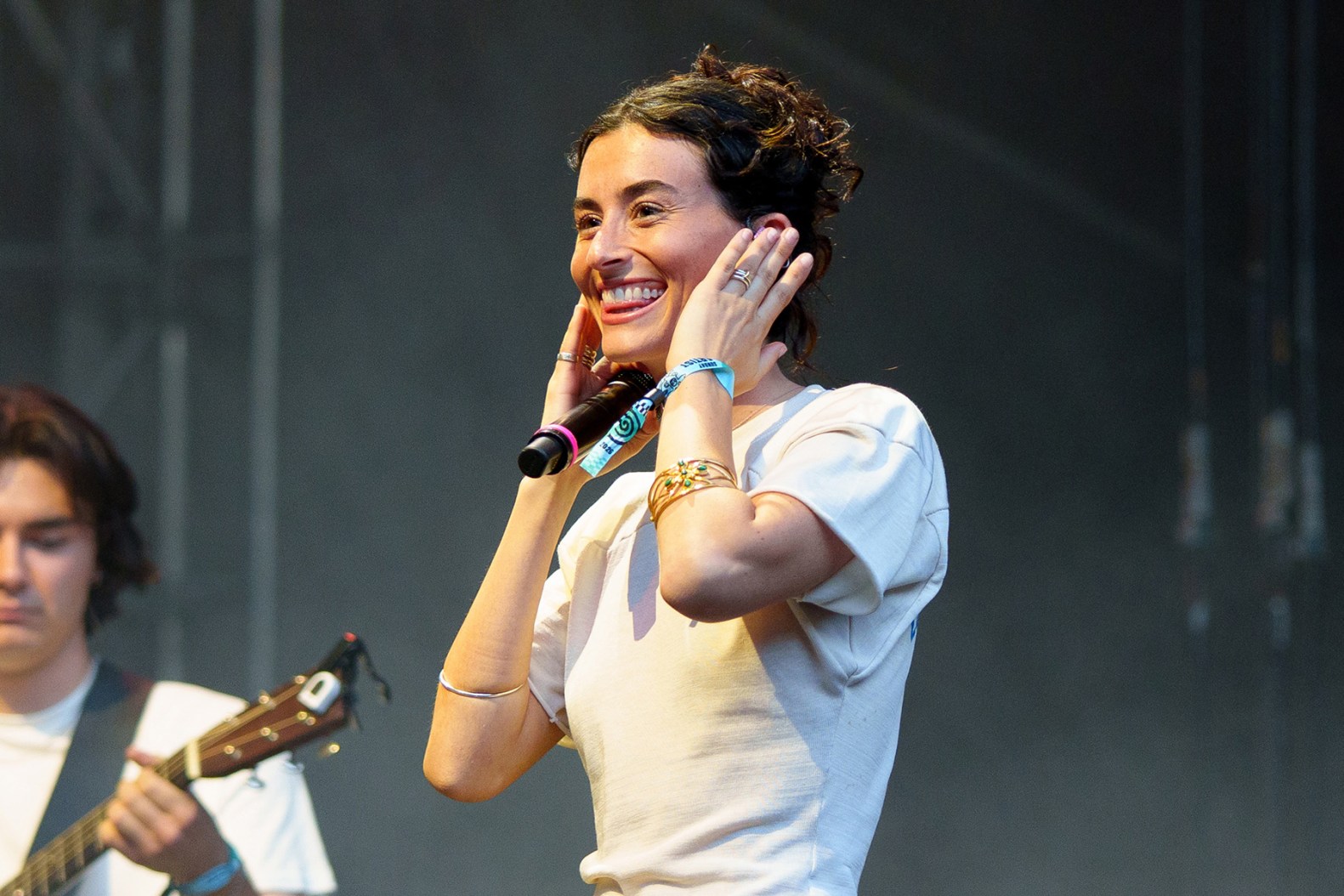
Stella Lefty is 24, has a single sitting at number two on the Billboard Hot 100, has sold out her coming tour, and is streaming in the tens of millions every week. She is also, at the moment, one of the more argued-about people on the internet, and the argument has changed shape twice.
The single is Boston. She trailed it on TikTok for months before its release in March 2026, and one clip in particular reached millions of views. She had already built an audience there covering Noah Kahan and Tyler Childers.
The first accusation was about her father
Lefty was born Stella Lefkofsky. Her father is Eric Lefkofsky, who founded Groupon, moved into biotech, and is worth roughly 5.8 billion dollars.
When Boston climbed the chart this summer, a familiar sequence followed. She was described as an industry plant and a nepo baby, on the theory that a fortune that size had bought the career.
Her manager, Adam Alpert, rejects the category outright.
"Industry plants don't exist, no matter what anybody says or thinks from the outside of the music business," he said earlier this year. "You have to make great songs that people like, and all these artists that people call industry plants are having success because they've done just that."
Alpert keeps a deliberately small roster and has a reputation for backing artists heavily from the start, which is the more mundane explanation for why a new act might look unusually well-supported.
Lefty's own position is that she is not going to spend her energy on it. There will always be people who dislike her or the music or something about her, she has said, and she chooses to focus on the people who do not. She chose this. Double-edged sword.
I'm not Southern. I always worried, do I have to be
The second was about geography
She grew up in the suburbs of Chicago, which prompted the other early objection: that a woman from the Midwest making country music is playing a part.
She has been unusually direct about having asked herself the same question.
"I'm not Southern. I always worried, do I have to be," she has said, adding that she loves country music more than anything, with everything she has.
That is a more honest answer than the genre usually produces, and it sidesteps the trap. The alternative, adopting an accent and a backstory, is what actually would have justified the accusation.
The third is the one that matters
The current criticism is different in kind, because it is about the songs rather than the singer.
When Boston first circulated, listeners noted that the chorus resembled Noah Kahan's Stick Season. On official release, Stick Season was credited as an interpolation.
Lefty addressed it in a profile published in August. "When I was writing the song, I wasn't thinking about Noah Kahan," she said. "I was literally thinking about nothing at all."
Kahan's team, she said, had contacted her before the song came out, after fans began pointing at the chorus. Her account of the resolution is relaxed to the point of shrugging. She does not want to step on anyone's toes, so if it sounds like that, then it sounds like that, and it is all fine.
It has not stayed a single incident. Her new album interpolates the Chicks' There's Your Trouble. The accusation now circulating is broader, that she borrows heavily from well-known songs without always making it obvious.
What is actually in dispute
Interpolation is legal, credited and extremely common, and country in particular has always been built on borrowed melodic furniture. A credited interpolation is not plagiarism, it is a licence.
The complaint underneath is about proportion. There is a difference between a song that quotes and a catalogue that leans, and that line is a matter of taste rather than law, which is why the argument cannot be settled.
She has, in the meantime, defenders inside the genre. Kelsea Ballerini publicly backed her appearance at the Grand Ole Opry, which is the institution whose approval decides these disputes in practice.
None of it has slowed the record down. It is still at number two.
More from Music
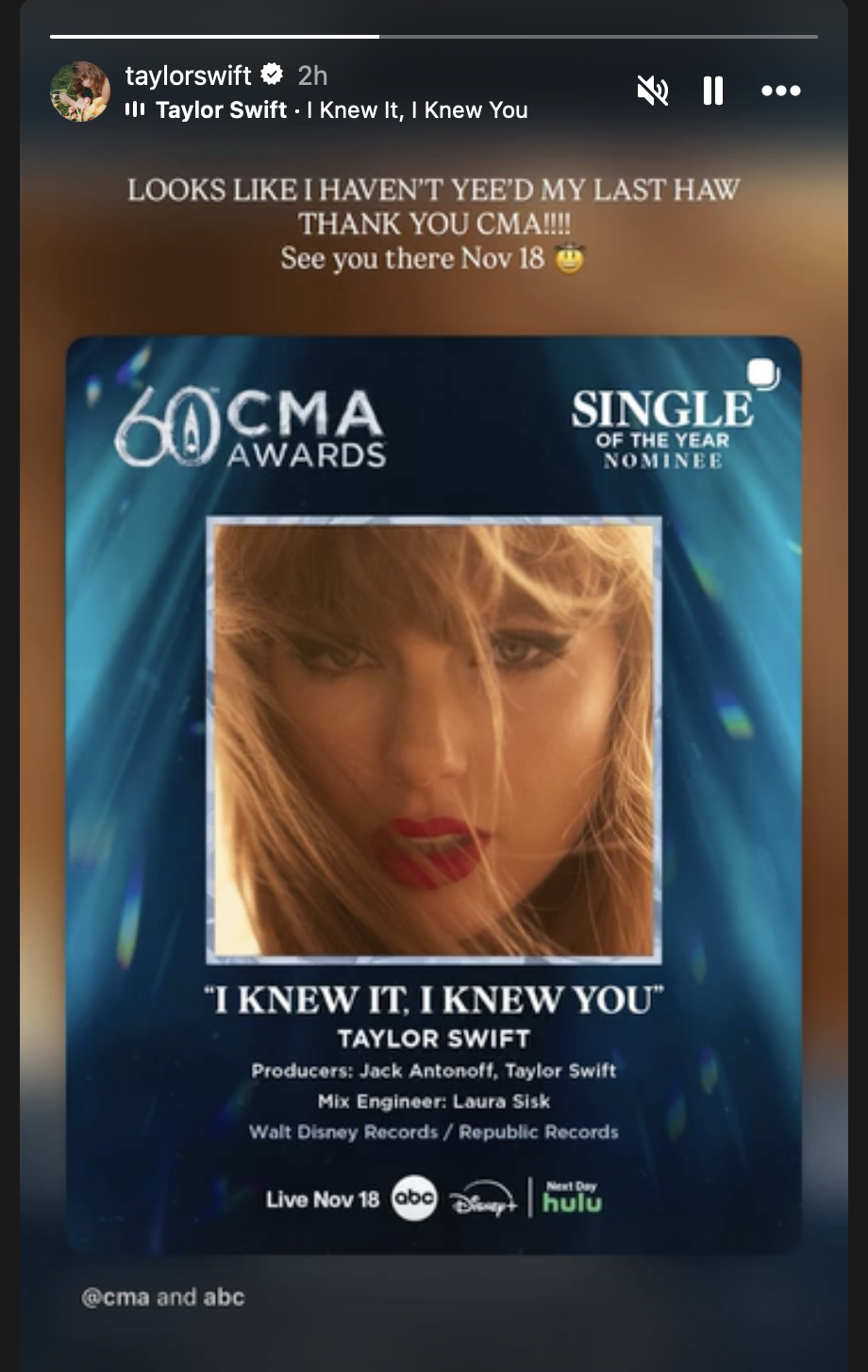
Taylor Swift Will Attend the CMA Awards for the First Time in a Decade
She normally leaves everyone guessing about award-show appearances, and this time she confirmed within hours of the nomination being announced.
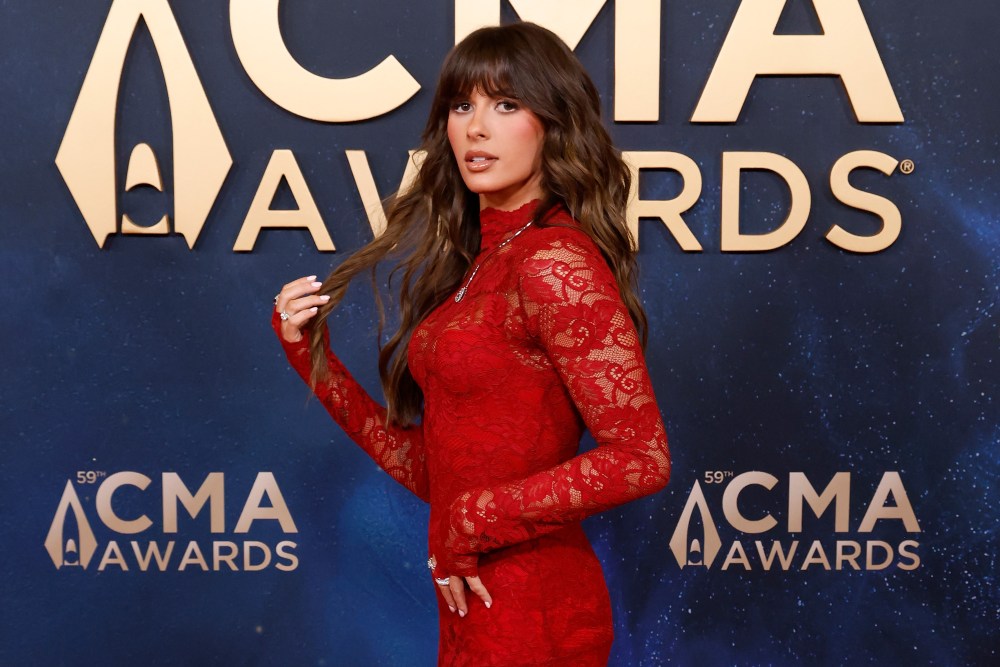
Ella Langley Took Nine CMA Nominations and Came One Short of a Record Set in 2002
The scale of her year is clearest not in her own nine nominations but in how many other people were nominated for work they did on her records.
Twelve Record Companies Sue Suno Again, This Time Over 60,202 Recordings
The labels behind Capitol, Arista and Zomba filed a second copyright complaint against the artificial intelligence music company Suno on 18…