An Appeals Court Has Ruled That a Demand Letter Is Not Extortion
Jay-Z cannot revive his case against the lawyer who filed a since-dismissed rape claim against him, because the court found the lawyer believed the allegation when he made it.
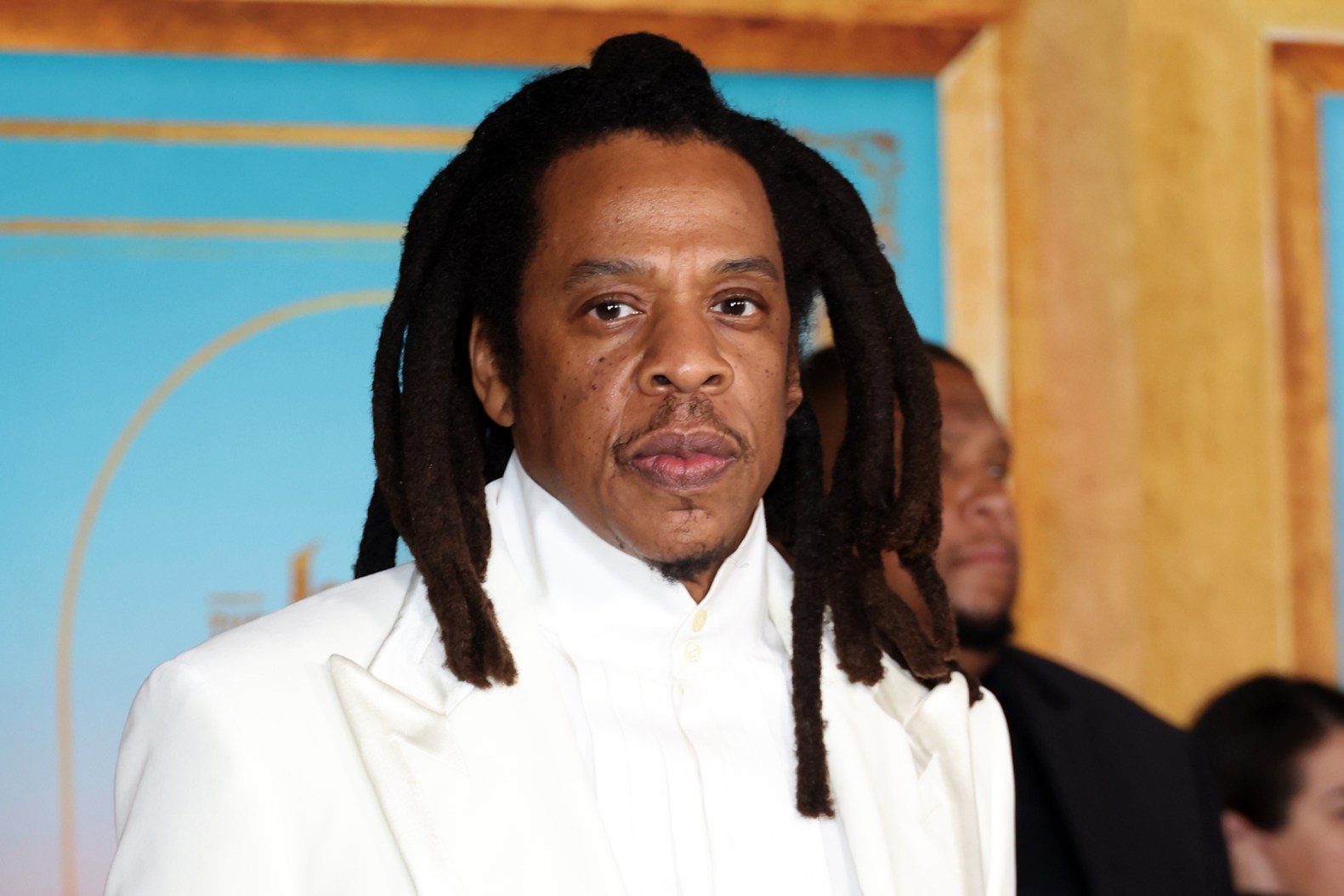
A California appeals court has rejected Shawn Carter's attempt to revive his extortion and defamation lawsuit against Tony Buzbee, the Texas attorney who filed a complaint accusing him of raping a 13-year-old girl. That underlying complaint has since been dismissed.
The claim was that Carter, who performs as Jay-Z, assaulted the woman alongside Sean Combs at an afterparty following the MTV Video Music Awards in 2000.
The appellate ruling runs to 24 pages and was unanimous.
The finding turns on what Buzbee believed
Defamation by a lawyer over a filed claim requires malice, and the court found none.
"The record contains no evidence Buzbee accused Carter of raping Jane Doe while knowing those statements to be false or with reckless disregard as to whether they were true," wrote Associate Justice Anne Richardson of California's Second Appellate District. "To the contrary, Buzbee submitted declarations showing his firm's and a referral firm's investigations led him to subjectively believe in the truth of the accusations."
The second half of the ruling deals with the demand letter, and this is the part with the broader consequence. The court held that Buzbee was protected by the litigation privilege when he wrote to Carter before naming him as a defendant.
"Buzbee's and Jane Doe's declarations indicated litigation was genuinely contemplated in good faith," the ruling states. "And Jane Doe sued Carter after he declined to mediate."
Sending a basic demand letter prior to filing suit is not and will never be extortion
How the case got here
Carter sued Buzbee in late 2024, arguing that the Houston lawyer knew he was advancing false claims. According to Carter, Buzbee sent two demand letters in early November 2024 seeking money to settle the allegations privately. When Carter declined to engage, Buzbee publicly identified him weeks later as the previously unnamed co-defendant in the woman's lawsuit.
That sequence, letter first and public naming after a refusal, is what Carter characterised as extortion.
Judge Mark Epstein of Los Angeles County held several hearings on Buzbee's motion to dismiss. He initially signalled he would let some of the defamation claims proceed, and at a later hearing indicated he was minded to allow the extortion claim through as well.
The recording that changed the trial court's mind
What moved Epstein was material produced by a private investigation commissioned by Carter's lawyers.
In February 2025, investigators recorded a conversation with the woman on her front porch in Alabama. She is said to have told them it was more Diddy, but Buzbee brought Jay-Z into it, and appeared to indicate that it was Buzbee who pushed her into naming Carter publicly. At one point an investigator asked her directly whether she was saying Carter had been at the afterparty but had nothing to do with any sexual acts towards her.
Epstein set out the significance in a tentative ruling in March 2025. If the woman's statements to the investigators were accepted at face value, he wrote, then she at least inferentially did not authorise the settlement letter to be sent, or conclude that she was going to sue Carter at the time it was mailed. Without a present intent to bring a lawsuit, he noted, the litigation privilege would fail.
The appeals court has now reached the opposite conclusion on the same question.
What each side says
Buzbee's response was unambiguous.
"Sending a basic demand letter prior to filing suit is not and will never be extortion," he said on Thursday. "The plaintiff distorted the truth and twisted facts. I expected the case to be dismissed and now that it has been, I look forward to recovering my every penny of my fees and expenses."
Carter's attorney, Alex Spiro, could not immediately be reached.
Why the ruling matters beyond these two
The decision leaves the pre-suit demand letter almost entirely protected, provided the sender can show litigation was genuinely contemplated in good faith.
That protection is what makes ordinary legal practice possible, since nearly every civil case begins with a letter proposing a settlement. It also means the recipient of such a letter has very little recourse, even where the underlying claim collapses, as this one did. The test is not whether the allegation was true. It is whether the lawyer believed it at the time.
Carter was accused of something appalling, the case against him was dismissed, and he has now been told he cannot sue the man who brought it.
More from Music

Stella Lefty Has the Number Two Single in America and Two Separate Arguments to Answer
The 24-year-old's rise was first questioned because of who her father is, and is now being questioned because of what her chorus sounds like.

Taylor Swift Will Attend the CMA Awards for the First Time in a Decade
She normally leaves everyone guessing about award-show appearances, and this time she confirmed within hours of the nomination being announced.

Ella Langley Took Nine CMA Nominations and Came One Short of a Record Set in 2002
The scale of her year is clearest not in her own nine nominations but in how many other people were nominated for work they did on her records.