Galliano Has Pulled Out of His Own Met Exhibition a Month After It Was Announced
The designer says an exhibition is not how atonement works, and that he did not want the argument about him to become the museum's problem.
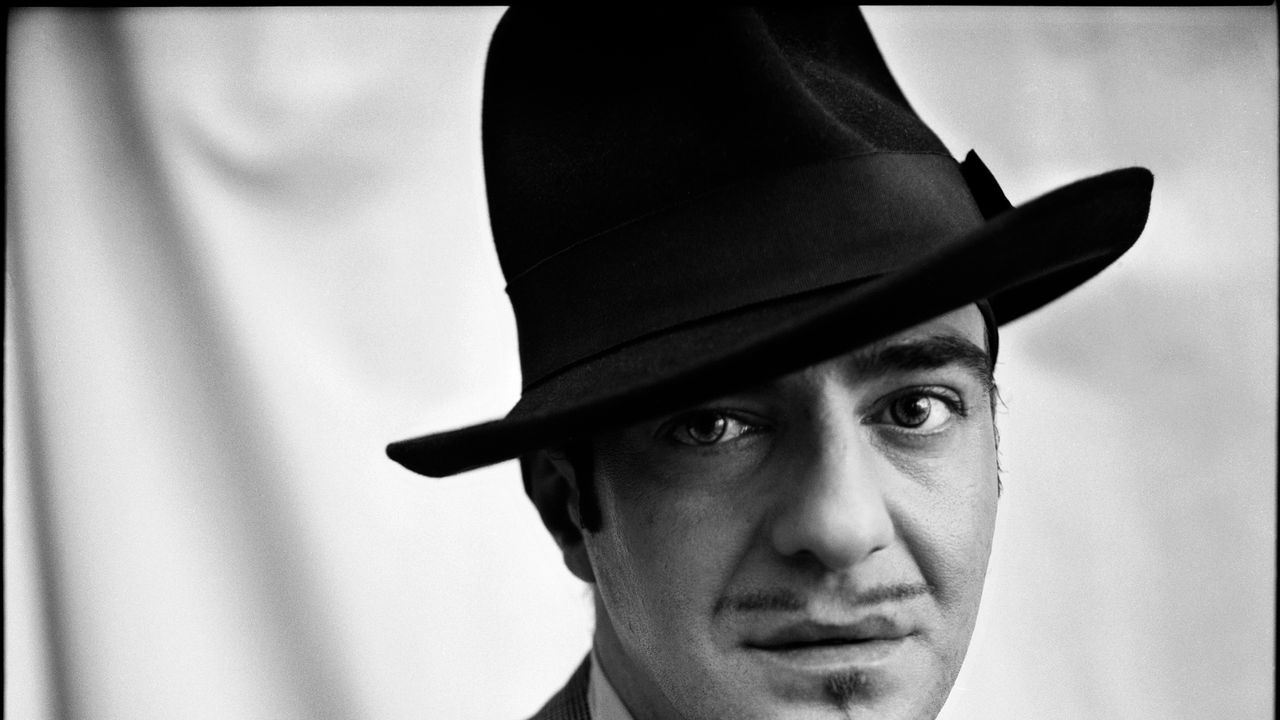
The Costume Institute's spring 2027 exhibition was announced on July 31 as John Galliano: Horizons. On August 31, exactly a month later, Galliano announced he was withdrawing from it.
"After much reflection and discussion with all those involved, I have decided, with great sadness, that it is best for the exhibition not to take place at this time," he wrote in a statement posted to his social media.
The Met Gala is scheduled for Monday, May 3, the first Monday in May as always. It is a fundraiser for the Costume Institute, and it marks the opening of the spring exhibition, which sets the dress code for the evening and opens to the public a couple of days later. The theme people argue about every year is that exhibition's title. For 2027 there is now no title.
What he said
The statement is unusually direct about the thing it is declining.
"I remain fully accountable for the pain caused by my words in the past, particularly the hurt I caused to the Jewish and Asian communities, and I remain deeply sorry," Galliano wrote.
Then the line that is the actual argument: "I understand that meaningful atonement is not achieved through an exhibition, institutional recognition or a single public gesture. It is a continuing responsibility, demonstrated through listening, learning and one's conduct over time."
He added that he did not want the debate surrounding him to put the Met in a difficult position, or to distract from the Costume Institute's work, and that he recognised and respected that an exhibition honouring him would be painful for some.
He also made clear what he was giving up. To have his creative journey considered by an institution he had admired all his life, he wrote, moved him more deeply than he could express. He thanked those who had supported him through fifteen years of sobriety and recovery from alcoholism and addiction.
Meaningful atonement is not achieved through an exhibition, institutional recognition or a single public gesture
What the show was going to be
Horizons was to examine and exalt the work of the Gibraltar-born designer, running from his student period at Central Saint Martins in London through Givenchy, Dior and, most recently, Maison Margiela.
It would have been only the third time the museum built a monographic exhibition around a living designer, after Yves Saint Laurent in 1983 and Rei Kawakubo of Comme des Garcons in 2017. That is the scale of what has been cancelled. The Costume Institute does not do this often, and it does not do it for the living.
Crucially, the show was not going to avoid the history. The Met had said the first half would directly address the rupture caused by his antisemitic, racist and anti-Asian conduct in 2010 and 2011, which led to his dismissal from Christian Dior and from his own label, and to his conviction by a Paris court for public insults based on race, religion, ethnicity or origin. It would also have covered his treatment for substance addiction and his later public acknowledgment of what he had done.
Why this is the harder version of the decision
The easy reading is that an institution avoided a problem. That is not what happened, and the sequence matters.
The Met had already decided to proceed, and had designed a show that led with the conduct rather than burying it in a wall text near the exit. That is close to the most defensible structure available for exhibiting a figure like this: not a rehabilitation, and not a retrospective with an asterisk, but a show that treats the rupture as part of the subject.
Galliano withdrew from that anyway, on the grounds that being the subject of it is not something a person earns back through an institution agreeing to mount it.
Whether that is humility or a correct reading of the room, it removes the museum's dilemma by taking the decision out of its hands. The Costume Institute now needs a spring 2027 exhibition, and the industry needs a new theme to dress for.
More from Style

Venice, Fashion Week and a Secret Brad Pitt Screening: The September Diary
Awards season opened on the Lido while New York ran fashion week in parallel, and the month's two busiest rooms were four thousand miles apart.
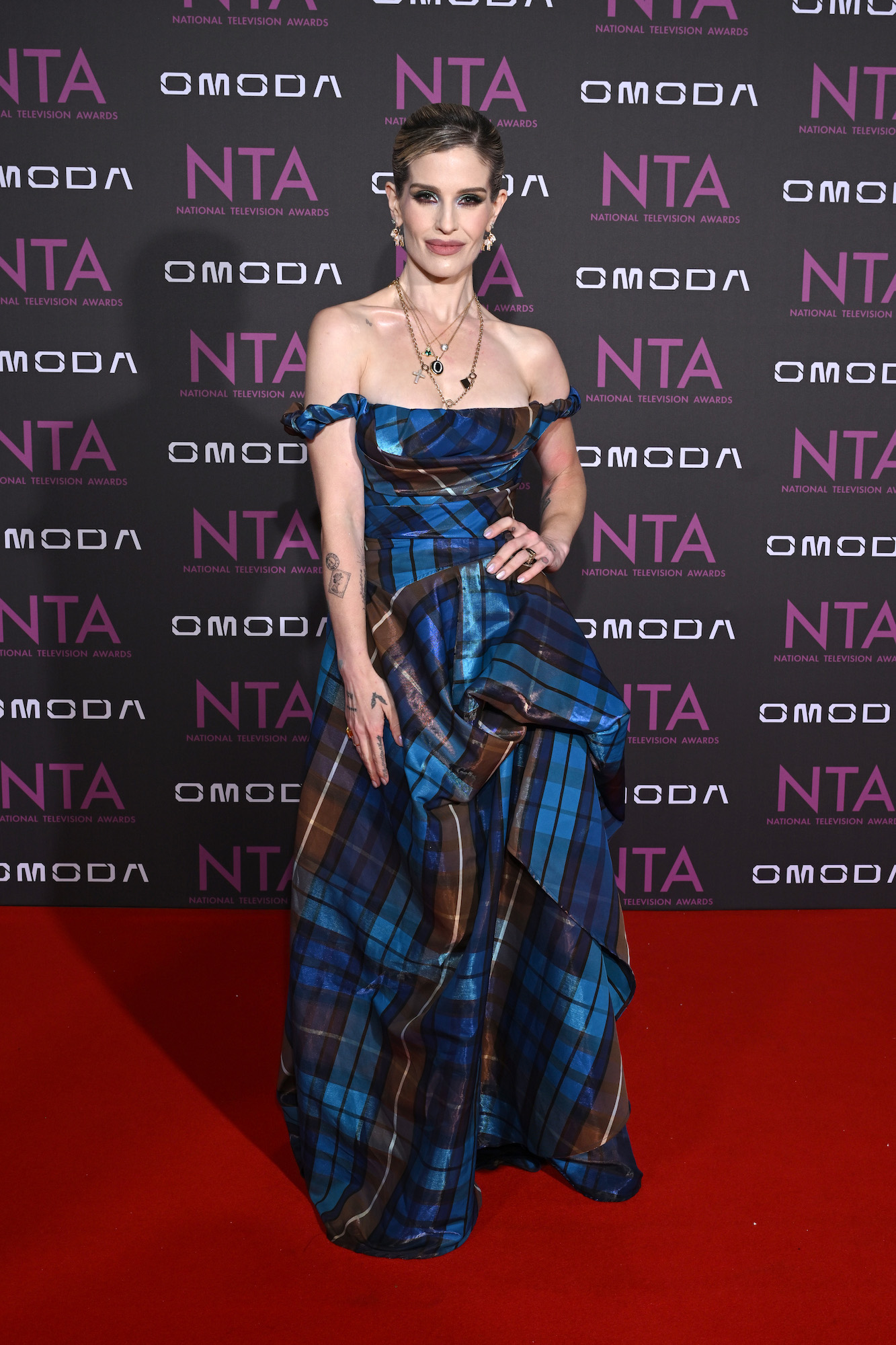
Kelly Osbourne Wore Vivienne Westwood to the NTAs, Days After Describing What Grief Did to Her
She was on the red carpet on Tuesday in blue plaid and a slicked-back updo, having spoken that weekend about weight she lost while her father was…
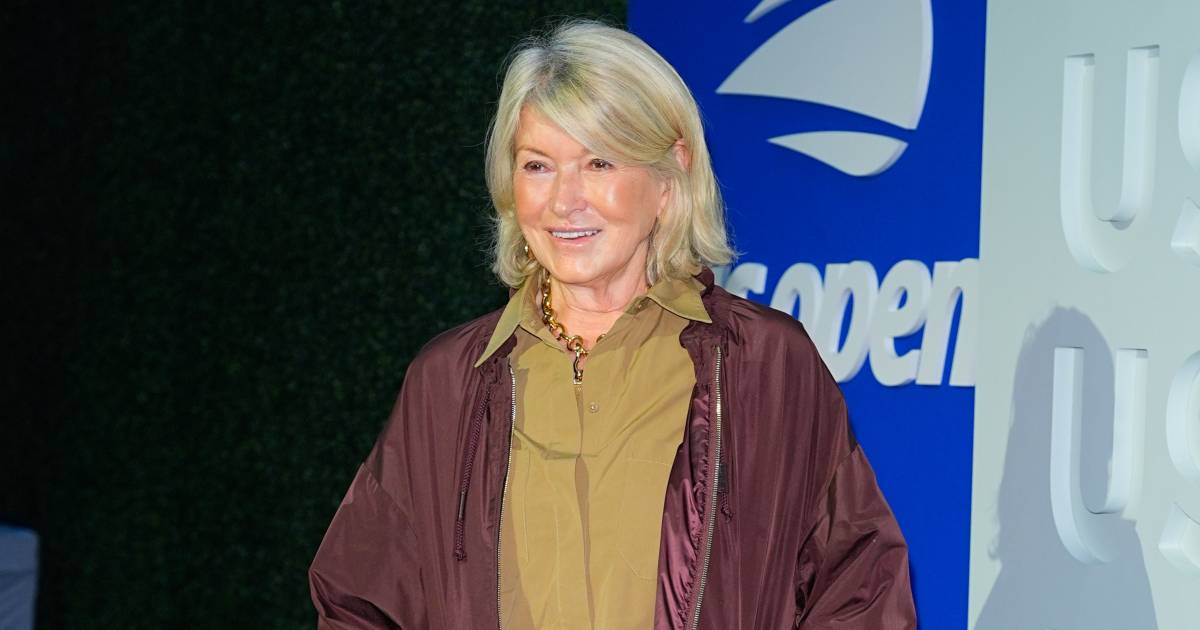
Martha Stewart Has Made the Case Against Black Trousers, in Burgundy
She wore wine-coloured wide-leg pleats to the US Open with a matching bomber, and the effect is the argument.